This text is an automatic translation from Русский. It was generated by AI and may contain inaccuracies.
Read original →The Price of Upgrading Public Utilities
Starting October 1, utility tariffs will rise 8–22% depending on the region. By 2030, 4.5 trillion rubles will be allocated to modernize over 18,000 facilities and 140,000 km of networks, though the State Duma estimated the need at 10 trillion. In Tatarstan, a third of networks (9,000 km out of 27,000) require replacement at a cost of 200–300 billion rubles. The Federal Antimonopoly Service has removed 51 billion rubles in unjustified expenses from 2025 tariffs.
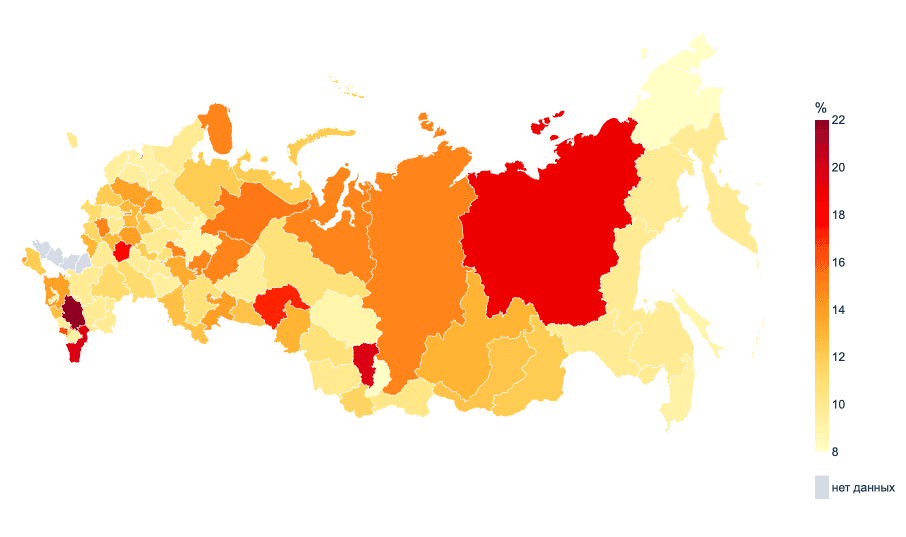
Starting October 1, utility rates for Russians will change according to new regional indices. The government-set figures range from 8% to 22%. Another adjustment—by 1.7%—took place in January.
In 2025, the main indexation was implemented on July 1, with regional indices ranging from 8.6% to 21.1%. The gap between regions over the year has become particularly pronounced:
The utilities sector is entering a period when the cost of maintaining and upgrading it is becoming increasingly noticeable to consumers.
Indexation runs into infrastructure failures
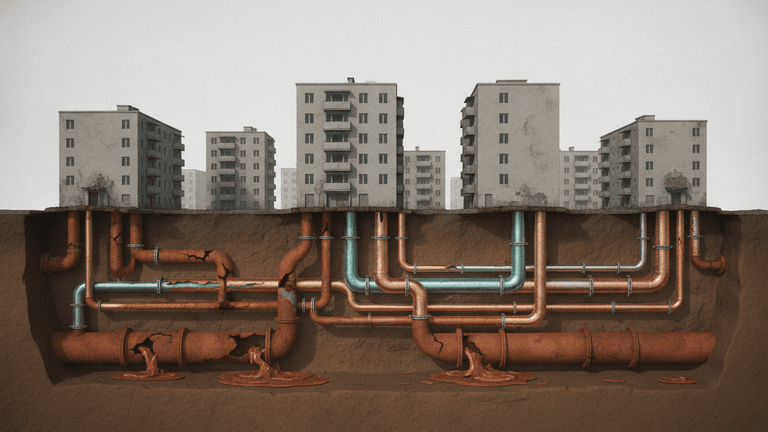
The main problem in housing and utilities remains material: worn-out networks and facilities require constant investment. The government is trying to shift from addressing individual emergencies to systematic renewal. Regional comprehensive plans through 2030 include more than 50,000 modernization measures covering over 18,000 utility facilities and approximately 140,000 km of utility networks. These efforts are allocated 4.5 trillion rubles from budgetary and extra-budgetary sources—averaging around 750 billion rubles per year. Still, the question of whether funding will be sufficient remains open: the State Duma estimated the need at approximately 10 trillion rubles, but there is no precise calculation yet of the cost for complete infrastructure renewal. Since the launch of the national project "Infrastructure for Life," construction, reconstruction, and major repairs have been completed on more than 1,300 utility infrastructure facilities.
The scale of these plans matters also because kilometers of networks alone don't reveal the sector's condition. One section may require complete replacement, another major repairs, while a third could operate for many more years with proper maintenance. Rate increases cannot be automatically linked to a specific volume of future repairs. Between the tariff and a new pipe lies a long chain: expenditure regulation, the utility company's investment program, project financing, construction, and finally, the actual result for the consumer.