
Yulia Ignatova
Executive Editor at Argument Media
Executive Editor at Argument Media
 Analysis
Analysis of the private fund market: 570 structures, 100 million ruble threshold, differences from wills. How asset transfer to heirs works and what gaps exist in practice.
 Analysis
The Central Bank has halted its key rate cuts at 14% amid accelerating inflation of 5-6%. We examine how rising fuel prices, the budget deficit, and lending activity are shaping monetary policy.
 Analysis
Tourist tax revenues increased 2.5-fold to 7 billion rubles. The Russian Union of Travel Industry proposes making tourists the payers, introducing a fixed rate instead of a percentage-based one, and offering investment deductions for hotels.
 Analysis
By 2036, the U.S. will spend 18% of its budget on debt interest payments. How refinancing amid high rates is constraining policy space in developed economies.
 Analysis
How student loans work in the US and Russia: debt volumes, interest rates, tuition costs, and repayment terms. An analysis of American and Russian models for financing higher education.
 Analysis
The main outcomes of the 2026 Eastern Economic Forum: 318 agreements worth 7 trillion rubles, a unified preferential regime starting in 2027, a transport corridor to China, and a shift from extraction to processing.
 Analysis
Day three highlights from EEF-2026: agreements worth 6 trillion rubles, a unified preferential regime for the Far Eastern Federal District and the Arctic, technology experiments, and signs of economic cooling. An analysis of the new macroregional development strategy.
 Analysis
Day two of the Eastern Economic Forum brought announcements of a 100 billion ruble petrochemical cluster, preferential treatment reforms, regional gas infrastructure expansion, and a 2.5-fold increase in trade with China to 1.7 trillion rubles.
 Analysis
Day one highlights from the 2026 Eastern Economic Forum: agreements on pharmaceuticals derived from marine bioresources, 7.5 billion rubles in housing and utilities modernization, development of the creative economy and satellite communications. Contract projections reach 6.5 trillion rubles.
 Analysis
Russia is transitioning to a two-tier higher education system: foundational and specialized degrees replacing bachelor's and master's programs. Here's how study duration, diplomas, and university curricula will change.
 Analysis
Starting September 1, Russians can ban themselves from gambling through the Gosuslugi portal. We examine how the self-exclusion mechanism works, its effectiveness, and the problem of illegal operators that remain beyond government control.
 Analysis
Russian grain producers are selling wheat at a loss due to export problems through the Black Sea. The Ministry of Agriculture is discussing a temporary elimination of export duties and a package of support measures for the industry.
 Longreads
 Analysis
Analysis of Russia's intergenerational wealth transfer market: 1.27 million people inherited property in 2025, with 600,000 wills executed. We examine asset transfer strategies, property division risks, and the role of notaries.
 Analysis
Analysis of global foreign direct investment in 2025: FDI growth to $1.624 trillion, capital redistribution favoring developed economies, investment boom in AI and semiconductors. Ranking of recipient countries.
 Analysis
An analysis of divorce statistics in Russia for the first quarter of 2025. How a sevenfold increase in state fees affected the number of marriage dissolutions, why attitudes toward divorce are changing, and what factors compel spouses to keep their families together.
 Analysis
Low water levels on the Rhine have driven river shipping costs up 3.5-fold. An analysis of how drought conditions are affecting logistics in Europe and Russia, new climate surcharges, and the shift to alternative transport.
 Analysis
Analysis of Russia's fuel market situation: causes of gasoline shortages, import volumes from Belarus and India, government measures, and expert forecasts for market stabilization.
 Analysis
Analysis of youth unemployment globally and in Russia: 12.4% unemployment rate, AI's impact on the labor market, and the mismatch between job openings and young professionals' expectations. Data from the ILO and Russian statistics.
 Analysis
An analysis of the 42.4% drop in restaurant alcohol sales in Russia during the first half of the year. How steep markups are changing consumer behavior and forcing restaurants to rethink their business model.
 Analysis
We examine the reasons behind the growing number of rejections for ninth graders seeking to enter 10th grade: specialized track education, government policy promoting vocational schools, and students' rights to continue their education.
 Analysis
How Russian attitudes toward prenuptial agreements have changed: statistics on their execution, reasons for growing popularity, business and asset protection, typical terms, and legal precedents for contesting them.
 Analysis
The EU's 21st sanctions package has restricted the operations of the Zolotaya Korona system, affecting millions of users. An analysis of the impact on transfers to Central Asian countries, alternative channels, and market outlook.
 Analysis
How Russia's new family tax credit works: eligibility requirements, the amount of personal income tax refunds for parents with two children, income and property criteria, and early results from the program.
 Analysis
 Analysis
The average wedding budget in Russia has jumped from 1-1.5 million to 6-8 million rubles. We break down what's driving up the cost of wedding services, how couples are spending their money, and the latest trends shaping the wedding market in 2026.
 Analysis
The State Duma is considering a bill to simplify government procurement: the threshold for SMEs is being raised to 30 million rubles, and opportunities to modify contracts are being expanded. An analysis of the risks and prospects for reforming the public procurement system.
 Analysis
An analysis of the staffing crisis in Russian healthcare: a shortage of 23,000 doctors and 63,000 mid-level medical workers, overtime reaching 40% above the norm, hidden personnel deficits, and potential solutions.
 Analysis
An analysis of how Russian investment is pivoting toward EAEU countries and Asia. A review of major projects in Kazakhstan ($53 billion), Belarus, Uzbekistan, India, and China. The new geography of industrial cooperation and production chains.
 Analysis
The State Duma has passed a law reforming bankruptcy procedures with a focus on corporate rehabilitation. New debt restructuring mechanisms, pre-trial rehabilitation, swing auctions, and requirements for insolvency administrators—what will change for businesses and creditors.
 Analysis
The Ministry of Transport has expanded parking benefits for large families to cover two vehicles. How a growing fleet of 47.45 million cars is creating a parking shortage in Russian cities—and why redistribution won't solve the problem.
 Analysis
Central banks are planning to reduce the dollar's share in their reserves for the first time. Analysis of the OMFIF study: the role of gold, prospects for the yuan and euro, impact on global markets, and the real scale of de-dollarization.
 Analysis
Traffic accidents involving e-scooters in Russia jumped 32% in the first five months of 2026. The problem is shifting to privately owned personal mobility devices, whose sales have increased 1.5 to 2 times. The Ministry of Transport is preparing a registry and mandatory device registration.
 Analysis
Terms of the family mortgage program will change in fall 2025: rates ranging from 4% to 12% depending on number of children and region, new lending limits, and payment increases of 30-72%. How the reform will impact the real estate market.
 Analysis
Investment in the waste industry has dropped from 72.6 billion to 12.6 billion rubles. We examine the reasons behind the decline: high central bank rates, lack of a secondary materials market, and project profitability issues.
 Analysis
Russia and Indonesia are planning to use national currencies in trade through a Local Currency Settlement mechanism. An analysis of prospects, limitations, and the role of de-dollarization in bilateral trade worth $4-5 billion.
 Analysis
What Russians view as markers of success in 2026: VCIOM data reveals shifting priorities from expensive possessions to education, healthcare, and housing. An analysis of generational differences and global trends.
 Analysis
First day takeaways from SPIEF 2026: the satellite city 'Yuzhny' announced with 500+ billion rubles in investment, industrial infrastructure in the regions, logistics expansion by Ozon and Wildberries, digitalization, and SME support.
 Analysis
How telemedicine in Russia grew from 8% to 22% user adoption over five years. Why online consultations aren't reducing voluntary health insurance costs and which legislative restrictions are holding the market back. Data from VTsIOM and expert opinions.
 Analysis
The microfinance market generated a record 67 billion rubles in profit, yet half of all MFOs are operating at a loss. An analysis of market polarization, the surge in online lending through marketplaces, and regulatory risks looming in 2026.
 Macroeconomics
We examine with experts what functions the fiscal rule served, what has now been temporarily suspended, and what consequences this holds for Russia's economy.
 Analysis
Why are more and more people turning to pawnshops, what legal nuances should be considered, and how will this sector develop in the coming years?
 Analysis
In 2025, the Central Bank recorded a loss of 184.8 billion rubles, compared to record profits of 199.5 billion rubles the previous year. We examine the reasons behind this reversal.
 Analysis
Analysis of LUKOIL's 2025 financial results: net loss of 1.059 trillion rubles, asset write-downs of 1.667 trillion rubles, impact of U.S. sanctions, and the loss of European refineries. How the company's business model is changing.
 Analysis
Nearly 30,000 Russians have signed social contracts since the beginning of the year. We examine what this support measure is, how it works, and whether it can actually help increase income.
 Opinions
Expert Igor Yushkov explains whether Western countries' strategic reserves can compensate for oil supply disruptions.
 Analysis
OSAGO in Russia is formally a unified system, but in practice some regions effectively foot the bill for accidents, fraud, and legal disputes in others. What causes this imbalance, and who ultimately pays for loss-making territories?
 Analysis
How China fights corruption: statistics from the 2025 anti-corruption campaign, punishments for 983,000 officials, the Corruption Perceptions Index, and systemic limitations of the Chinese model.
 Analysis
Starting March 2026, Russia will enforce a taxi localization law—only domestically produced vehicles will be eligible for registry. Here's how this will affect prices, taxi fleets, and the transportation market.
 Opinions
Expert Artem Samorodov estimates that 25% to 33% of cars have tampered odometers. The damage to buyers exceeds 600 billion rubles annually. What works better: prison time or fines for odometer fraud?
 Longreads
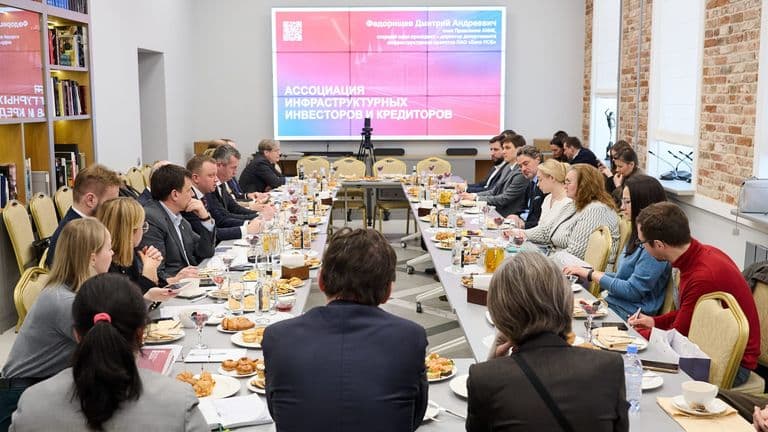
AIIC has presented a memorandum on attracting non-budgetary investment in infrastructure and launched the Infrastructure Time project. How the high key rate affects concessions and what new financial instruments the market proposes.
 Analysis
Russia's dating market has shrunk to 8-10 billion rubles. Legacy players are losing users, while bots generate up to 40% of content. How platforms are combating fraud and why trust has become their most valuable asset.
 Analysis
Why 29% of Russian companies slipped into negative territory: an analysis of corporate losses surging to 7.5 trillion rubles, driven by high Central Bank rates, falling oil prices, and shrinking business margins in 2025.
 Opinions
Renting out an apartment purchased with a subsidized mortgage could result in your interest rate jumping from 6% to 22%. We break down the legal risks, banks' rights, and what borrowers face when violating loan terms.
 Analysis
An analysis of Russia's sports insurance market: 300% growth from 2010 to 2025, the most popular sports for insurance coverage, policy costs, and prospects for mandatory insurance for competition participants.
 Analysis
Russia's Finance Ministry has proposed legalizing online casinos to boost budget revenues. Experts warn of rising gambling addiction in the absence of a prevention system. An analysis of the risks and scale of the problem.
 Opinions
Analyst Denis Nugaev assessed the effectiveness of tiered mortgages for families with children. How reducing the rate to 4% for large families affects birth rates and who will become the primary borrowers.
 Opinions
NOSTROY President Anton Glushkov assessed the proposal for a tiered family mortgage program. Why a 10% rate for the first child could reduce housing demand by 20% and what makes higher rates dangerous.
 Analysis
Analysis of the microfinance market: MFO portfolios have shrunk 5%, biometric verification and 'cooling-off periods' introduced, up to 40% of companies may exit the market. Central Bank data and forecasts through 2026.
 Analysis
How IBL and TIL work for regions: preferential terms at 3% per annum, financing volumes up to 1 trillion rubles, issues with deadlines and rising project costs according to the Accounts Chamber. Analysis of economic effects and risks of growing regional debt.
 Analysis
How social payments will change in 2026: state pensions rose 7.6%, maternity capital reached 737,000 rubles, disability benefits increased 6.8%. Complete information on indexation.
 Opinions
Experts forecast gold prices ranging from $3,500 to $6,000+ by the end of 2026. Analysis of the role of geopolitics, sanctions, and macro risks. How to use gold in your investment portfolio: analyst recommendations.
 Analysis
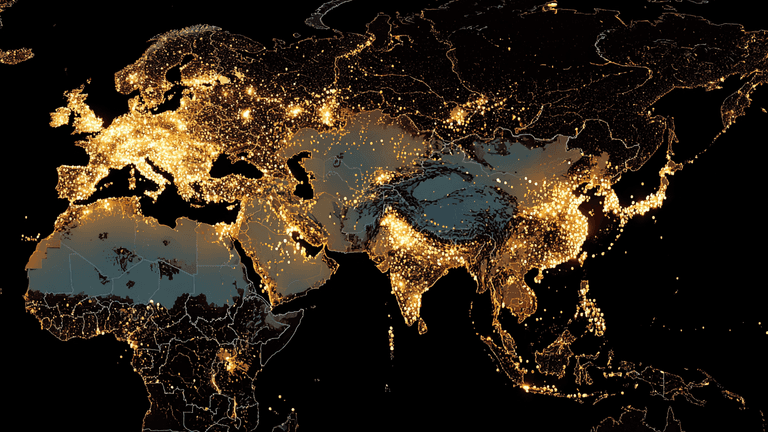
An analysis of US tariffs on countries trading with Iran. Iran's trade structure exceeds $150 billion, with top 5 partners: China, UAE, Turkey, Iraq, and India. How tariffs are becoming a tool for secondary sanctions.
 Analysis
An analysis of Russia's esoteric services market: from a 2.4 trillion ruble boom in 2024 to a 40% drop in demand in 2025. The reasons behind the rise and correction, spending statistics, and forecasts for the niche.
 Analysis
What's going up from January 1, 2026: VAT to 22%, utility tariffs by 1.7%, recycling fees by 10-25%. Economists and the Central Bank estimate the contribution to inflation at 1.2 to 2.5 percentage points. A breakdown of the impact on consumer prices.
 Analysis
How microloan rules will change in 2026: overpayment capped at 100%, a limit of two high-rate contracts, and a cooling-off period. Why Russians fall into the MFO debt spiral and what the new market regulation will achieve.
 Analysis
How Russia's alcohol industry changed in 2025: a moratorium on spirit producer licenses, beer excise taxes rising to €1.5 per liter, wine industry development, and business challenges. Expert opinions and key events of the year.
 Analysis
Key developments in Russia's IT sector in 2025: AI moving from theory to practice, sanctions pressure, budget cuts, and major achievements. Industry experts from leading companies weigh in on challenges and growth prospects.
 Analysis
Key developments and challenges facing Russia's IT sector in 2025: the shift toward cost-effective digitalization, budget cuts, and progress in import substitution. Leading IT company experts weigh in on the year's major trends and risks.
 Analysis
Russia's insurance market grew 15–18% in 2025 to reach 2.7–2.8 trillion rubles. OSAGO reforms, digitalization, cyber insurance, and the industry's main challenge—declining customer trust. Analysis of key trends and forecasts.
 Analysis
Sellers of artificial Christmas trees and decorations are abandoning marketplaces ahead of New Year's due to mass returns. How a wave of returns turns revenue into losses and what Wildberries and Ozon are doing to address the problem.
 Analysis
Russia faces 14% of global cyberattacks despite accounting for just 3% of the world economy. We examine the scale of threats, economic damage from ransomware and APT attacks, major business vulnerabilities, and state-level defense measures.
 Analysis
Tariffs on imported beer have risen to €1.5 per liter, yet Russian beer prices have jumped 15%. We examine the paradox: how protectionism drives up consumer prices and why domestic producers aren't lowering their prices.
 Analysis
Analysis of Russia's jewelry market in 2025: cross-border trade surges fourfold amid slowing offline sales, impact of high credit rates, and a 6% decline in store numbers. Trends and forecasts.
 Analysis
Applications for mortgage restructuring surged 1.6-fold over the first 9 months of 2025. We examine the drivers: expiring grace periods, rates climbing to 27-30%, and why banks are willing to work with borrowers.
 Analysis
Analysis of Russia's chocolate market in 2025: why premium Dubai chocolate dropped in price from 2,653 to 796 rubles, while the mass market segment rose 14% due to rising cocoa prices. Sales data and forecasts.
 Longreads
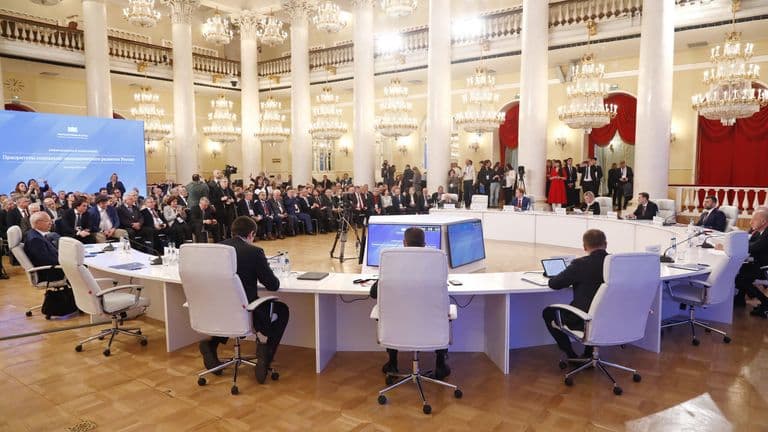
Highlights from the conference on Russia's socio-economic development on November 24, 2025: debates on the Central Bank's monetary policy, GDP growth slowing to 1%, regional development, and the role of major corporations under new conditions.
 Analysis
Analysis of Russia's sports services market: public engagement has reached 27.8%, revenue has grown to 159.5 billion rubles. Trends, business models, risks, and forecasts for the fitness industry's development.
 Analysis
High mortgage rates have revived demand for communal apartments. Room prices have risen 9.7-17.5%, but experts warn of fraud risks and problems with aging housing stock. We examine trends in the budget housing market.
 Analysis
Russian travel preferences are shifting: demand for sanatoriums has grown 22%, with average spending reaching 20,000 rubles. Popular destinations, new demographics, and industry challenges—an analysis of the wellness tourism market.
 Opinions
Credit rejection rates hit a record 81.9% in October 2024. T-Bank explains the reasons behind mass rejections and why income has become the primary criterion for loan approval.
 Opinions
The Russian government has backed tougher penalties for economic crimes, with fines increasing up to 5 million rubles. Expert Nikita Trifonov explains how this will affect business and why companies should invest more in compliance.
 Analysis
Russian tourism grew to 123 million trips over 8 months of 2025. How subsidized lending and border closures transformed the industry—an analysis of trends, statistics, and prospects for domestic tourism development.
 Opinions
The government has eased conditions for lowering the simplified tax threshold for small businesses—the transition is now extended until 2028. Expert Olga Snigur explains how to choose the right VAT rate, avoid mistakes, and adapt to the new rules.
 Opinions
Car sales in October 2025 rose 35% from September amid a rush to beat higher recycling fees. Expert Samorodov predicts a slump in early 2026 and explains why incentives aren't working.
 Analysis
Analysis of Bitcoin's November 2025 decline: reasons behind the correction, $530 million in ETF outflows, $1.4 billion in liquidations, and forecasts for recovery to $115–120K. What's next for the crypto market?
 Analysis
Payment defaults have become the primary challenge for 39% of Russian companies in Q3 2025. We examine the causes behind rising debt levels, the role of budget financing, and business survival strategies amid a liquidity crisis.
 Analysis
The 6% subsidized family mortgage covers only 40-60% of a two-bedroom apartment's cost in the regions. The limits of 12 and 6 million rubles haven't changed since 2018, pushing effective rates to 11-12%. Why experts are demanding a revision of the terms.
 Opinions
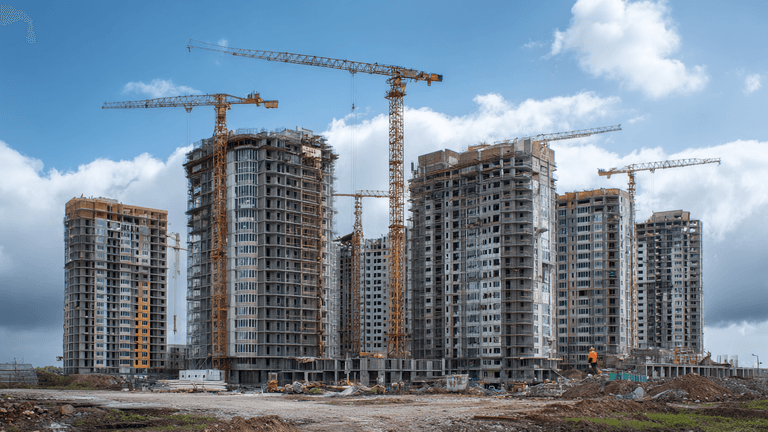
The Finance Ministry has clarified rules for obtaining a second family mortgage after the one-per-family limit takes effect in February 2026. Conditions for new families, interest rate forecasts, and impact on the real estate market.
 Analysis
Why banks have returned to raising deposit rates after their rate-cutting strategy failed. How the new law insuring deposits up to 2.8 million rubles will reshape the market. Where Russians are moving their money in search of better terms.
 Analysis
Analysis of Russia's private education market in 2024: volume of 65.4 billion rubles, annual growth of 14.5%. Tuition costs, reasons for choosing private schools, school formats, and forecasts through 2029. Risks of educational stratification.
 Opinions
Expert Oleg Kuzmichev explains that banks are threatened not by deposit migration between credit institutions, but by a complete withdrawal of money from deposits. Analysis of the deposit situation in September 2025 and forecast for long-term deposits.
 Opinions
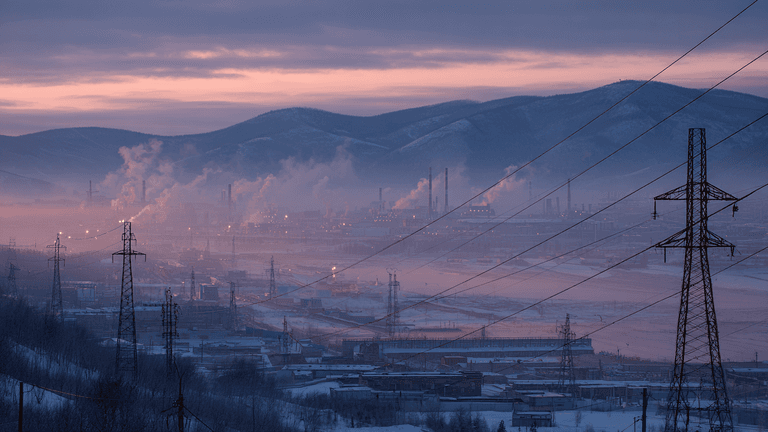
Expert Vladimir Demidov explains the rationale behind constructing new thermal power plants in Siberia: a 1.225 GW capacity deficit, grid modernization, and laying the groundwork for the region's industrial development.
 Opinions
Yota analytics revealed a threefold growth in platforms with one-time payments while time spent on subscription services dropped 40%. Why consumers are choosing targeted purchases over autopay and what it means for business.
 Analysis
How 'Erdoganomics' and dependence on energy imports drove Turkey to 85% inflation. An analysis of the crisis's causes, Central Bank actions, and prospects for economic stabilization.