This text is an automatic translation from Русский. It was generated by AI and may contain inaccuracies.
Read original →Expert Yushkov: Everyone Wants to Share in the Oil, But Nobody Wants to Give Up Their Own
Expert Igor Yushkov explains whether Western countries' strategic reserves can compensate for oil supply disruptions.
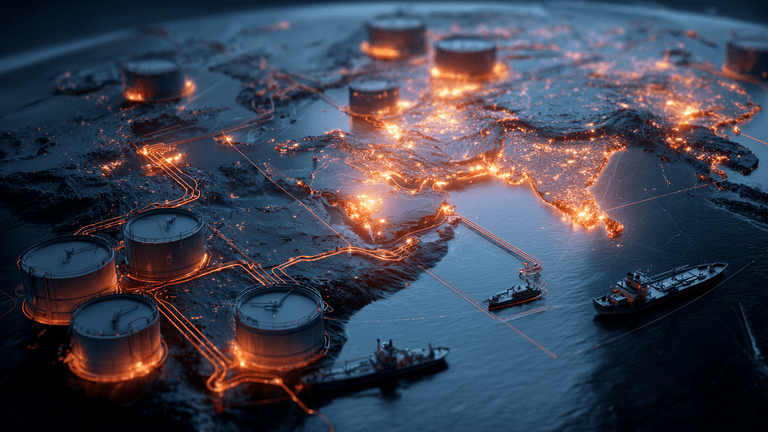
The escalating situation in the Middle East and threats to supplies through the Strait of Hormuz have once again put the use of strategic oil reserves on the agenda. Japan and Germany have announced their readiness to release part of their reserves to stabilize the market and cushion the price shock.
According to the International Energy Agency (IEA), member countries hold more than 1.2 billion barrels of government emergency oil reserves, and with mandatory commercial stocks included, another 600 million barrels.
G7 countries and the IEA have already agreed to release a record 400 million barrels of oil from their reserves. The reason: a sharp drop in oil exports from the Persian Gulf region amid escalating conflict with Iran. By some estimates, exports from the region have already fallen by more than 90%.
In this situation, governments of the world's largest economies are trying to deploy one of the key instruments of energy security: strategic oil reserves.
How much oil is in strategic reserves
Strategic reserves were created after the oil crisis of the 1970s precisely for situations like this—so that importing countries could compensate for supply disruptions in the event of changing market conditions.
Japan, for example, holds one of the largest reserves among oil importers: its stockpile is equivalent to roughly 254 days of domestic consumption, while the country's daily demand is around 3.1–3.4 million barrels of oil per day.
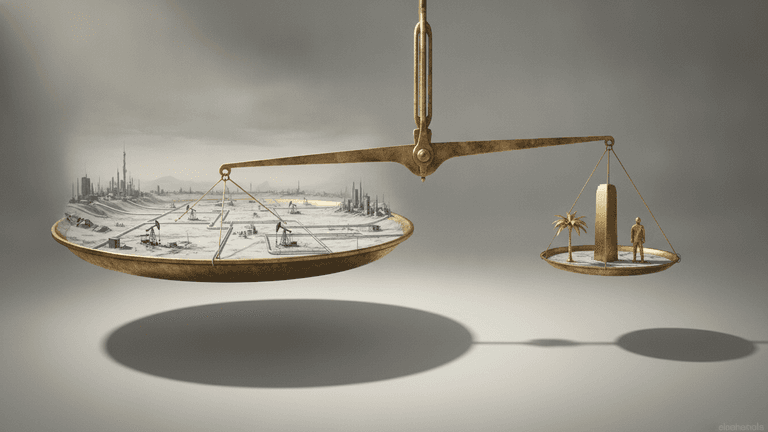
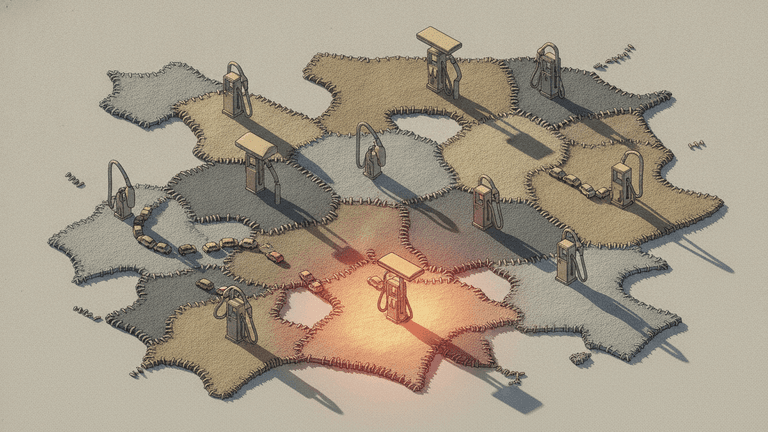
However, having substantial reserves doesn't necessarily mean they can be brought to market quickly and effectively. As Igor Yushkov explains, while the volumes of reserves are indeed large, they are distributed extremely unevenly:
"On the one hand, there's a lot—we're talking hundreds of millions of barrels. On the other hand, they're unevenly distributed across different countries, some have more, some have less."
He notes that coordination among consuming countries should happen through the International Energy Agency (IEA), which was created precisely for such situations. At the same time, he emphasizes:
"It (the IEA) was created to coordinate the activities of consuming countries in exactly these kinds of situations, when there's a shortage and countries need to share oil with each other to minimize the negative consequences of that shortage."