This text is an automatic translation from Русский. It was generated by AI and may contain inaccuracies.
Read original →Will the US and Other Countries Profit from the 2026 World Cup?
The day after tomorrow, on July 19, Spain will face Argentina in the final of the first-ever 48-team FIFA World Cup at MetLife Stadium in New Jersey, with Donald Trump in attendance. Over 39 days, the tournament has drawn 6.5 million spectators, and FIFA has promised the host countries a $40.9 billion boost to global GDP. That's the official figure. The question is: who will actually pocket what from this money?
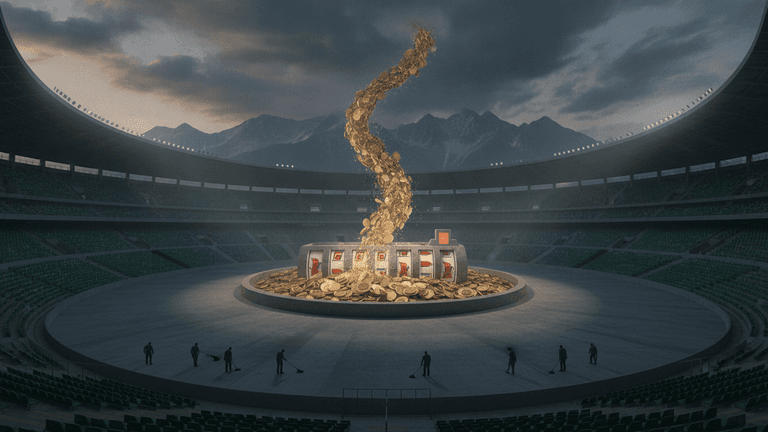
A $41 Billion Showcase, But at What Cost?
A joint study by FIFA and the World Trade Organization (WTO) calculated a $40.9 billion impact on global GDP from the World Cup being held in Canada, the United States, and Mexico. The tournament is expected to generate $80.07 billion in gross output and approximately 824,000 jobs worldwide (from construction workers to broadcast directors). According to forecasts, the lion's share will go to the main host among the three World Cup countries—the United States: $17 billion added to GDP, 185,000 jobs, and $3.4 billion in taxes, which, if the report is to be believed, would make it the most profitable sporting event in the country's history.
The beauty of these numbers is that they were calculated in advance using FIFA's own methodology. Open up independent forecasts, and the promised magnificence vanishes. Insurance analytics firm Allianz Trade estimates the combined effect for the three countries during June–July at a modest $9 billion in GDP: $6.1 billion for the U.S., $1.7 billion for Mexico, and $1.3 billion for Canada. That's nearly three times less than FIFA's promised seventeen billion for the States alone. The gap is even wider for jobs: Goldman Sachs expects an addition of 40,000 jobs in June statistics and another 10,000 in July, not 185,000.
No one made a mistake—these are simply different statistics. FIFA's model counts the effect before the tournament, while reality counts after. And after almost always turns out worse: analyses of dozens of Olympics and World Cups dating back to the 1960s show that in more than four out of five cases, expenses exceed planned revenues, and the average return on invested money goes deeply negative. The celebration almost always costs more than the subsequent "economic gifts."
Tourism Is There, But It's Short-Lived
The most tangible part of the effect is tourism, and here the money is real. Of the same $9 billion that Allianz Trade calculated, about $8 billion comes from tourist spending, while the platform Expedia together with analysts at PredictHQ forecasts over $8.1 billion in World Cup visitor spending across North America. This includes hotels and restaurants as well as spending on travel, gas, and all other everyday items. And the influx is visible: according to Bank of America, tourist spending in host cities rose 16.7% year-over-year.
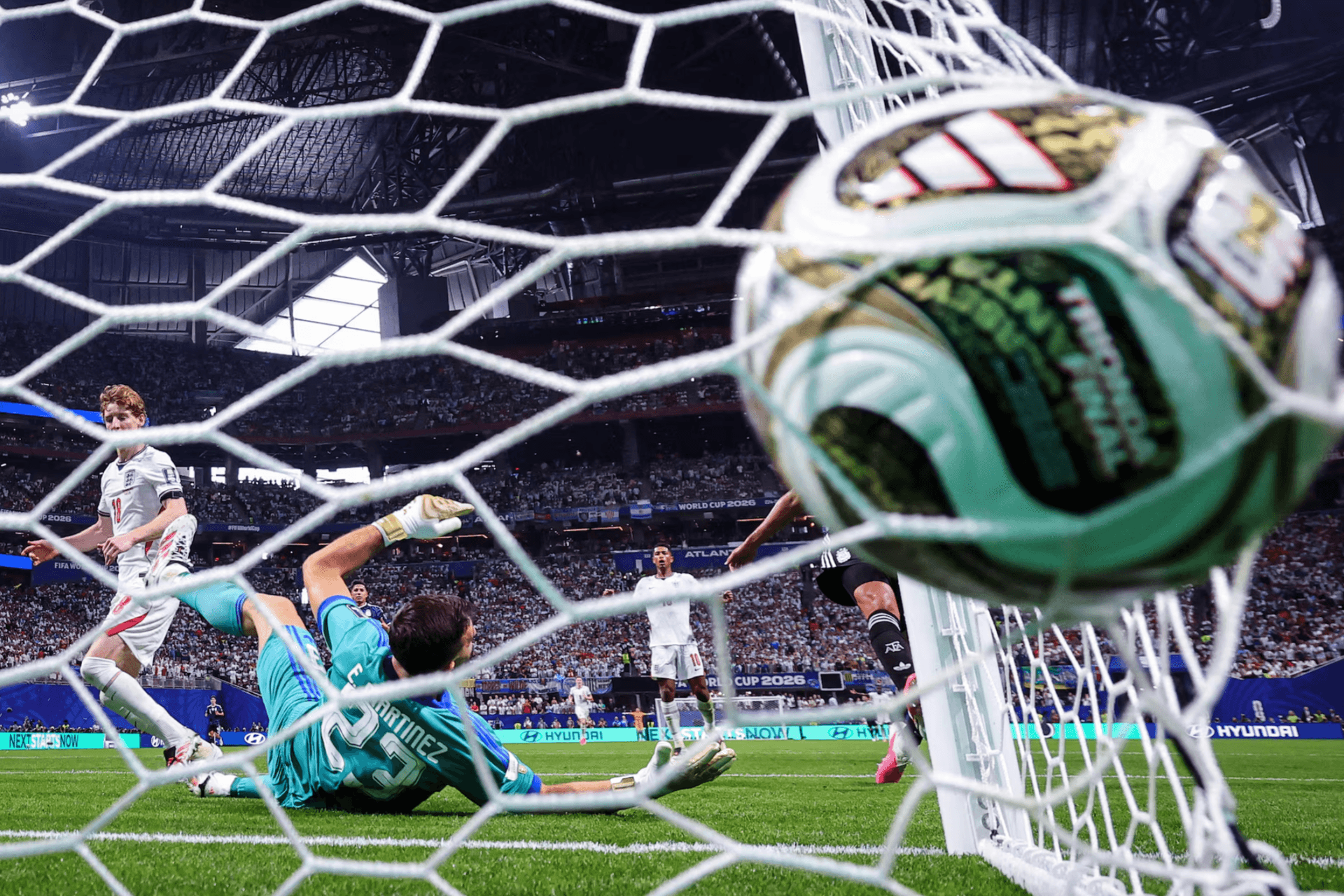
The problem is that this influx comes with three caveats that spoil the whole picture. First—it's short and uneven. Hotel prices on match days skyrocketed: in Los Angeles by 90%, from $227 to about $480 per night, in Houston by a third. However, once the World Cup passes, the tourist flow will drop to zero. The second caveat is more serious: the substitution effect. Fans arrive and spend, but regular tourists and some locals, conversely, leave to get away from the crowds, traffic jams, and soaring prices. This means that some of the "new" money doesn't actually add to the economy but simply covers lost revenue. Third—hoteliers never saw the promised boom: before the start, the American press reported that room prices were actually being cut and the flow didn't materialize as promised. Forbes put it right in the headline that hotels never saw the football bonanza they were promised.
FIFA Plays the Franchise Game: Box Office for Them, Expenses for Host Countries
To understand where the main profits will go, you need to look at the system for hosting World Cup tournaments. And 2026 marks a real turning point. For the first time, FIFA is running the championship itself, without a local organizing committee, negotiating directly with cities and keeping almost everything: media rights, sponsorships, tickets, hospitality, merchandise. Fortune describes this as a franchise model, where the franchisees cover operating costs while the franchisor takes the revenue. While in 2018 in Russia and 2022 in Qatar, local organizers received a share of the rights and profits, this time FIFA sold all the rights itself—leaving host countries to prepare the infrastructure.
And the box office for this World Cup is setting records. For the 2023–2026 cycle, FIFA projects up to $13 billion in revenue versus $7.57 billion for the previous four-year cycle—nearly double. This is largely due to the expanded tournament format: the field grew from 32 to 48 teams and from 64 to 104 matches, plus the introduction of so-called "water breaks" that can accommodate advertising. And this money will stay in Zurich, not in host country budgets. On top of that comes a tax bonus: FIFA demands complete exemption for itself and related entities from taxes on broadcasting and commercial income earned within host countries. In other words, countries waive taxes on the most lucrative part of the tournament, and it all goes to FIFA.
U.S. Host Cities Are Counting Deficits, Not Profits
If FIFA is the franchisor, then cities are the franchisees paying for the right to operate under the brand. And their balance sheets are in the red. The 11 U.S. host cities are facing a combined deficit of at least $250 million due to FIFA's new scheme, which many experts are already calling the worst deal in history.
The main expense is security, paid from federal and city budgets. The American equivalent of Russia's Emergency Ministry — the Federal Emergency Management Agency (FEMA) allocated $625 million to cities for security, with Texas alone adding another $116 million for its venues. But FIFA itself prevents cities from earning revenue: local organizers can't even sign up a neighborhood store chain because food sales conflict with the rights of global partners like McDonald's. The result is a perverse cycle: cities invest hundreds of millions and subsidize a tournament that will bring FIFA approximately $11 billion in profit.
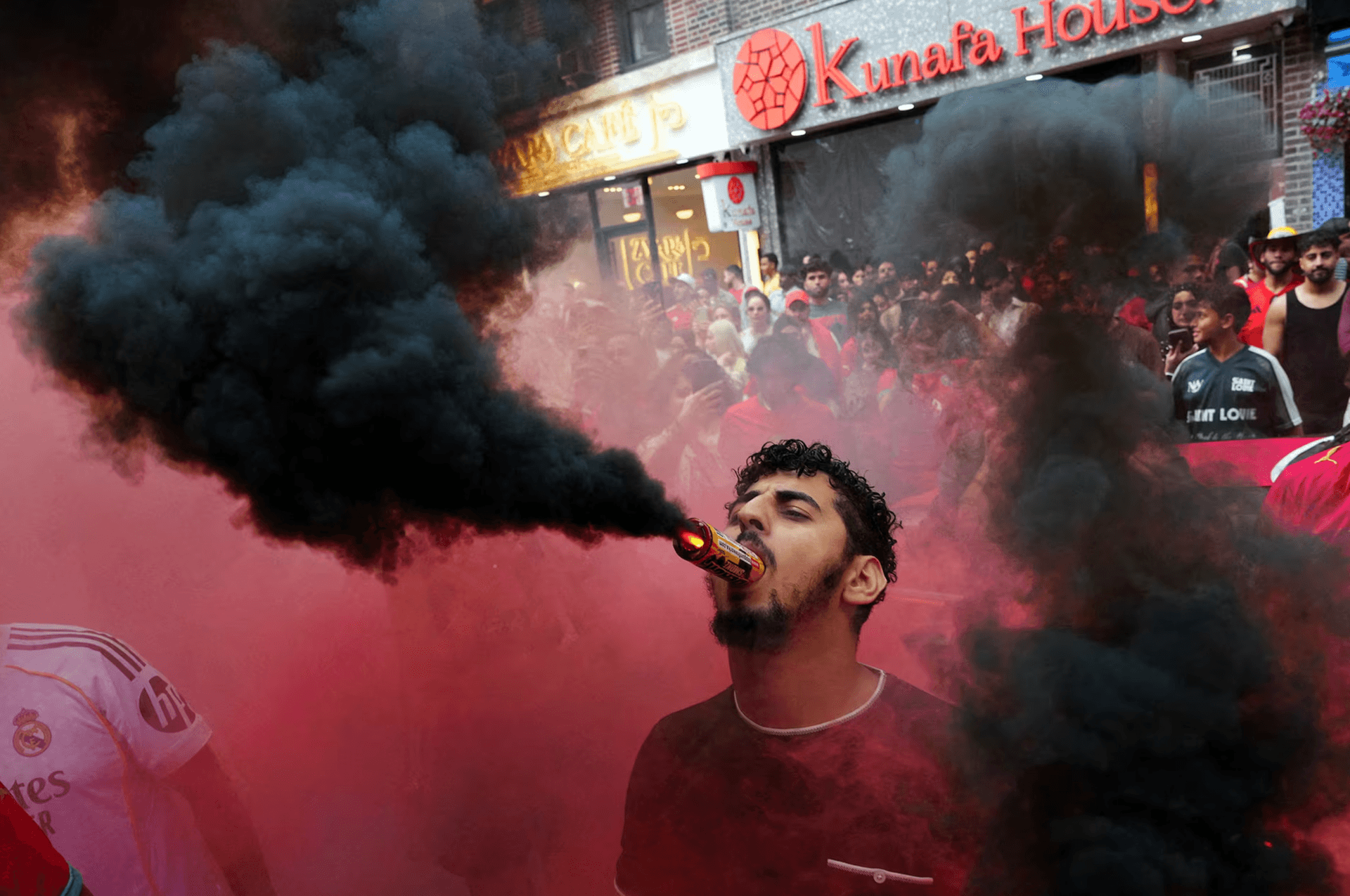
The stadiums are already built — this averts disaster, but doesn't generate profit
There is, however, a reason why the 2026 World Cup won't repeat the financial failures of its predecessors. Brazil in 2014 spent about $11.6 billion, the lion's share on stadiums, transport, and airports built at public expense. Qatar spent multiples more. North America is playing a different game: the arenas are already built and generating revenue for professional clubs, so instead of building from scratch, they're doing upgrades totaling roughly $1.5 billion across 16 stadiums. SoFi in Los Angeles cost $5.5 billion in its day, MetLife $1.6 billion, but that money was spent long before soccer and not for its sake.
This eliminates the risk of "white elephants" — expensive stadiums that sit empty after the tournament and drain maintenance budgets. But let's not confuse terms: not losing money and making money are different things. U.S. investment in preparations is still estimated at $10.42 billion, it's just gone into existing infrastructure rather than being buried in new construction. North America isn't so much profiting from the tournament as skillfully avoiding the traditional loss.
Mexico and Canada: Different Scale, Different Meaning
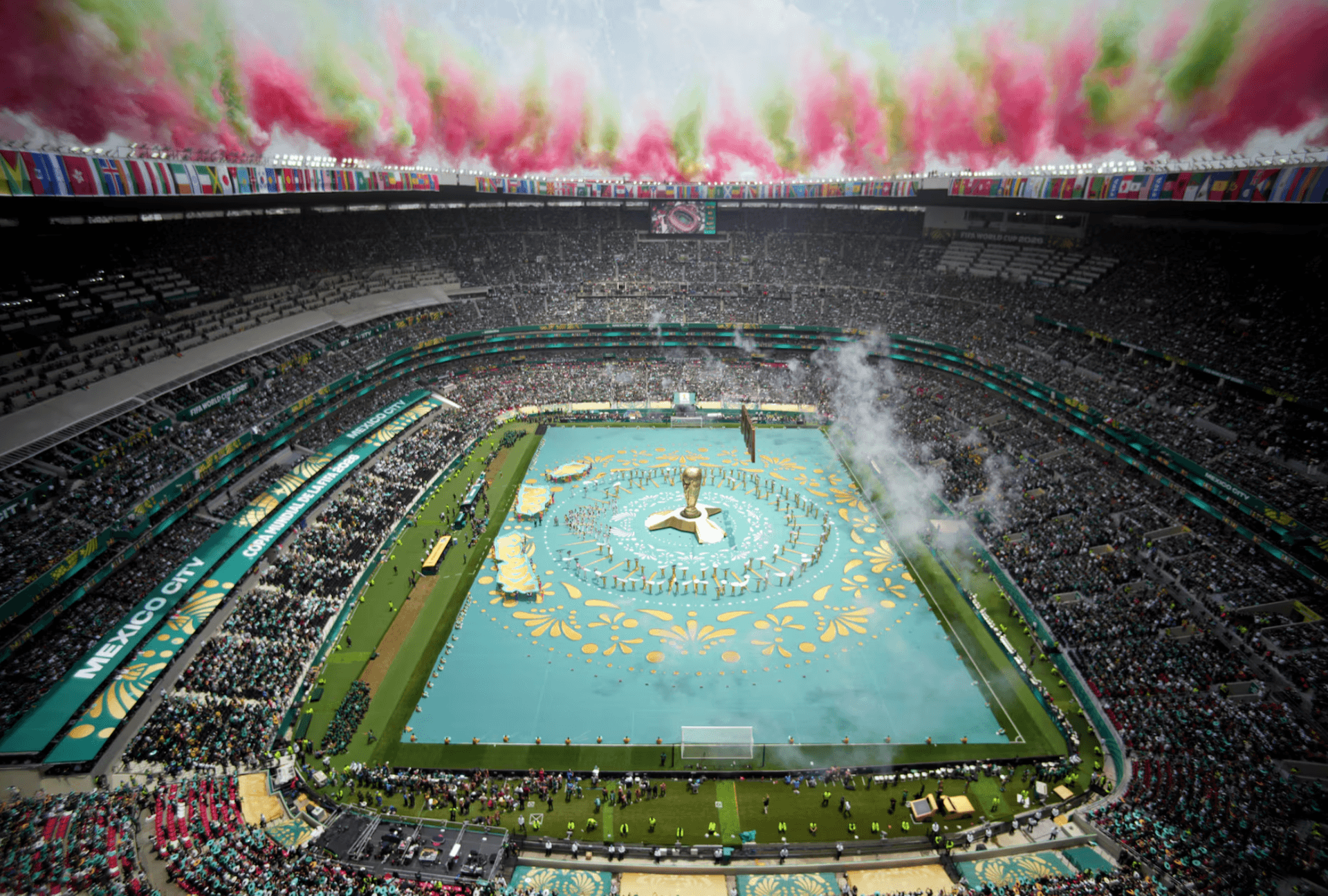
Beyond the United States, the logic is different. Mexico hosted 13 matches, including the opener, and its trump card is the Azteca—the only stadium in the world to host the World Cup three times: in 1970, 1986, and 2026. The arena's reconstruction was funded by a private owner, who invested around $150 million, while the government added over $1 billion for infrastructure, including Mexico City's airport. President Claudia Sheinbaum expected more than 5.5 million tourist trips to the three Mexican cities that hosted matches.
Canada is the most modest and perhaps the most honest with its figures among the participants. FIFA and Deloitte's estimate is up to 3.8 billion Canadian dollars, 2 billion in GDP, and 24,000 jobs created or preserved throughout the preparation and tournament period. Per match, that averages 155 million Canadian dollars in GDP and 1,850 jobs—the most jobs per match of all three countries.
The Tournament Profits, Not the Country
So will the U.S. and its neighbors actually profit? If by profit we mean net government revenue—the answer leans toward "no." Countries get a brief GDP bump measured in fractions of a percent: according to Allianz Trade calculations, plus 0.1 percentage points to quarterly growth in the U.S., 0.2 p.p. in Canada, and 0.3 p.p. in Mexico. And a significant portion of that bump is precisely that substitution effect, not fresh money. Meanwhile, cities end up in the red, while tourism revenue flows to private operators.
The real profit for countries is becoming part of global football history, even if they operate at a loss. Meanwhile, FIFA is heading toward a record $13 billion per cycle versus $7.57 billion last time—and it's doing this on someone else's infrastructure, someone else's security, and tax breaks paid for by the host countries.
It turns out the 2026 World Cup is structured so that countries get the showcase, the buzz, and the status, while the tournament gets the profit. And in that sense, North America played it smart: it's not trying to make money from the championship—it's trying not to lose money on it.