This text is an automatic translation from Русский. It was generated by AI and may contain inaccuracies.
Read original →Russia's Economic Diversification: Structural Constraints and Key Drivers
An analysis of Russia's economic diversification: oil and gas revenues declining to 30%, growth in agriculture and IT sectors, the role of defense industry, and the skills shortage challenge. Data from 2024-2025.
Introduction
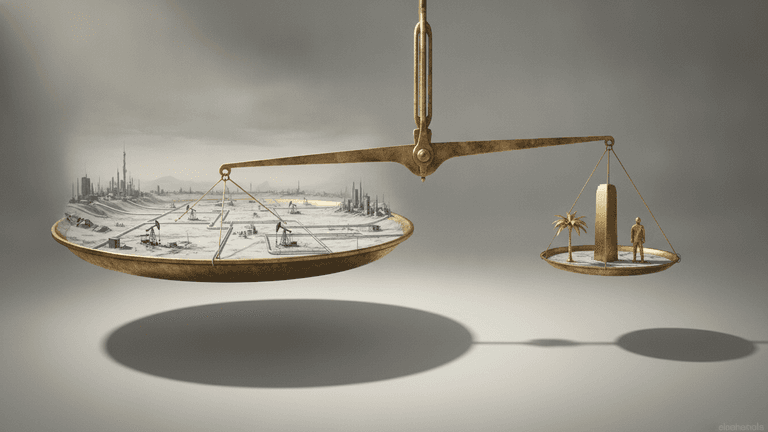
The Russian economy's dependence on oil and gas is gradually declining. However, statistics reveal a complex structure to this process: a significant portion of non-commodity growth today is driven by defense production and expanding domestic demand in select sectors, while sustainable development of civilian industries is progressing at a more moderate pace.
Russia has been consistently pursuing economic diversification over the past two decades. This process has been phased and dependent on external economic conditions. Macroeconomic shifts in recent years have intensified focus on structural changes and accelerated transformation across several industries.
According to estimates from the Ministry of Economic Development and public budget data, the share of oil and gas revenues in the federal budget has declined from approximately 50% in the mid-2010s to around 30% in 2024 (Ministry of Finance data). These changes reflect a gradual restructuring of the economy.
The key question is which industries are driving growth outside the commodity sector and how sustainable that growth is.
Growth Driven by Defense and Industrial Production
In 2025, the defense-industrial complex posted a 20% increase in value added—among the highest rates across major economic sectors (Rosstat, 2025). Production of finished metal goods rose 35%, while output of electronic and optoelectronic components increased 29%.
These figures largely shape overall industrial growth dynamics. In civilian sectors excluding defense orders, growth rates were considerably more modest.
Defense spending is estimated at approximately 7.5% of GDP based on public budget materials and comparative international assessments, including SIPRI calculations and Russian federal budget parameters.
This level of spending ensures substantial capacity utilization in the industrial complex and employment support, but is largely oriented toward domestic demand. The question of potentially converting some of this capacity toward civilian purposes is considered a separate industrial policy challenge.
Historical experience with structural transitions in the Russian economy during the 1990s shows that such processes require considerable time and comprehensive solutions involving restructuring of production chains and sales markets.
Sectors of Sustainable Diversification
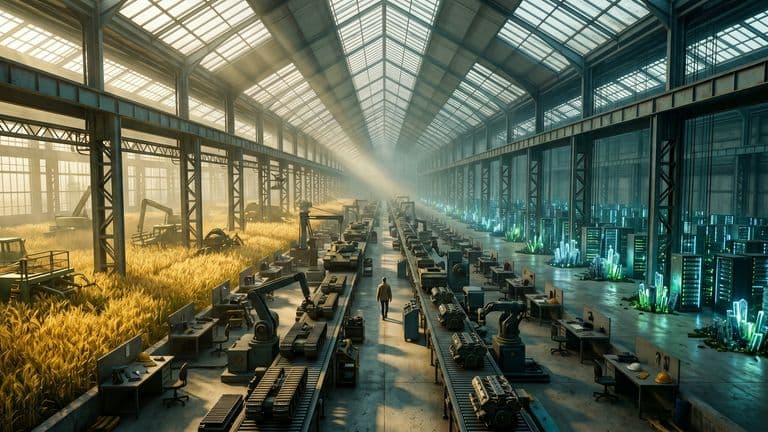
Against this broader picture, two sectors stand out where non-commodity base formation is more sustainable and market-driven.