This text is an automatic translation from Русский. It was generated by AI and may contain inaccuracies.
Read original →From Tolstoy to Streaming Platforms: A Century of Shared Indo-Russian Narrative Worlds
An intellectual history of cultural exchange between India and Russia—from the correspondence between Tolstoy and Gandhi to the Soviet cult of Indian cinema and the streaming platforms of the digital age.
Introduction
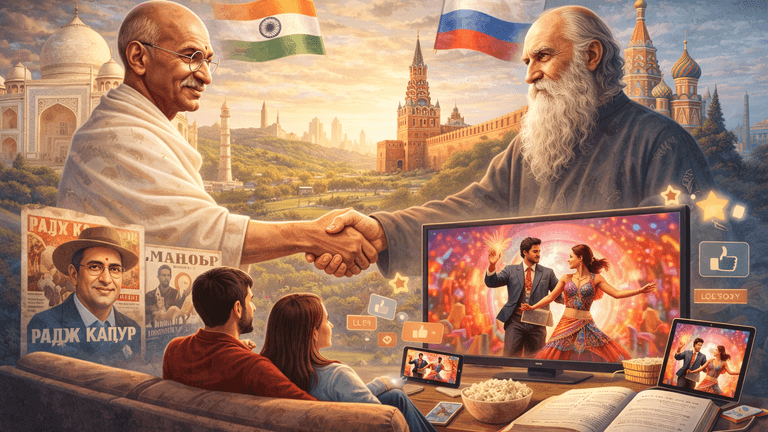
The cultural ties between India and Russia represent one of the most remarkable and enduring transnational exchanges in modern history. Unlike many global cultural connections forged through colonialism, migration, or market dominance, the Indo-Russian bond developed through mutual recognition in literature, philosophy, and cinema. Over more than a century, this exchange has survived revolutions, ideological ruptures, institutional collapse, and technological transformations—evolving from the philosophical correspondence between Leo Tolstoy and Mahatma Gandhi to the algorithmically driven 'rediscovery' of Indian cinema by Russian audiences in the digital age.
Its resilience points to something deeper than diplomatic expediency. At its core lies a shared sensitivity to narrative: both Indian and Russian cultural traditions privilege emotional intensity, moral struggle, and collective experience over irony, detachment, or radical individualism. This allows stories to circulate between the two societies not as 'foreign' cultural products, but as emotionally intelligible experiences.
I. Philosophical Dawn: Tolstoy and the Intellectual Bridge
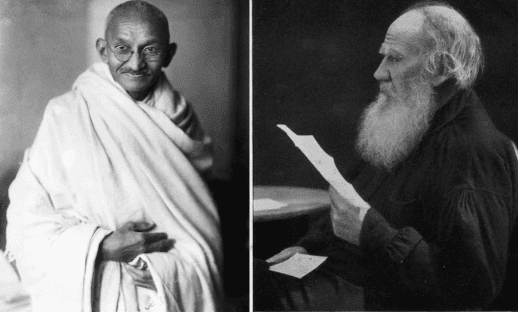
The origins of Indo-Russian cultural exchange are rooted in one of the twentieth century's most significant intellectual correspondences—the exchange of letters between Mahatma Gandhi and Leo Tolstoy. Their letters, particularly Tolstoy's"Letter to a Hindu"(1908), provided Gandhi with a philosophical framework for conceptualizing moral resistance to imperial power. Gandhi didn't simply absorb Tolstoy's ideas—he transformed them intosatyagraha, the doctrine of nonviolent resistance that became one of the foundational principles of India's independence struggle.
This established a pattern that would largely define Indo-Russian cultural interaction: Russian ideas weren't merely imported to India—they were translated, rethought, and creatively repurposed.
By the 1930s and 1940s, the relationship expanded into the realm of literature. Indian members of the Progressive Writers' Association turned to Russian socialist realism, particularly the works of Maxim Gorky, as a model for depicting oppression, class conflict, and revolutionary consciousness. Gorky's novel"Mother"particularly influenced Indian left-oriented writers seeking to articulate the social realities of colonial India.
At this stage, Indo-Russian exchange remained largely confined to intellectual and literary circles. Its transformation into mass culture came through cinema.
II. The 1950s: Raj Kapoor and the Soviet Cultural Thaw
The Soviet embrace of Indian cinema must be understood in the context of the cultural 'thaw' following Joseph Stalin's death. After 1953, under Nikita Khrushchev, the Soviet Union cautiously expanded its cultural horizons, allowing selected foreign films onto screens that were deemed ideologically compatible with socialist values. Against this backdrop, Indian cinema proved an ideal candidate.
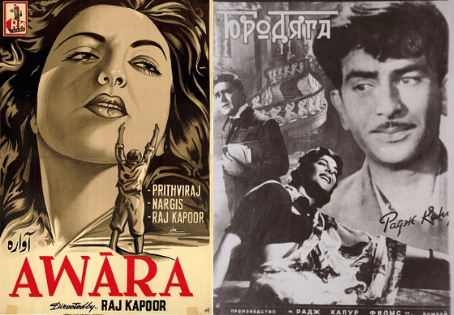
Raj Kapoor's filmAwaara(1951, Russian:"The Tramp") became one of the most successful foreign films ever screened in the Soviet Union. By conservative estimates, it was watched by tens of millions of Soviet viewers, with broader cumulative assessments—including repeat screenings—approaching 100 million. Kapoor's tramp-hero image—poor, vulnerable, yet morally pure—resonated deeply with Soviet audiences.
The film's success stemmed not from exoticism but from recognizability. Soviet viewers saw in"The Tramp"not a distant Indian melodrama but a familiar story of class inequality, hardship, and moral struggle. In this sense, Indian cinema entered Soviet everyday life not as spectacle but as social narrative.
III. Indian Cinema as Soviet Mass Culture: Data and Interpretations
The success of"The Tramp"was no anomaly—it inaugurated an extended period during which Indian cinema became firmly embedded in Soviet mass culture.
According to estimates by scholars and industry representatives, approximately 300 Indian films were screened in the Soviet Union, with dozens achieving blockbuster status. Several pictures drew audiences that foreign films rarely matched anywhere else in the world.
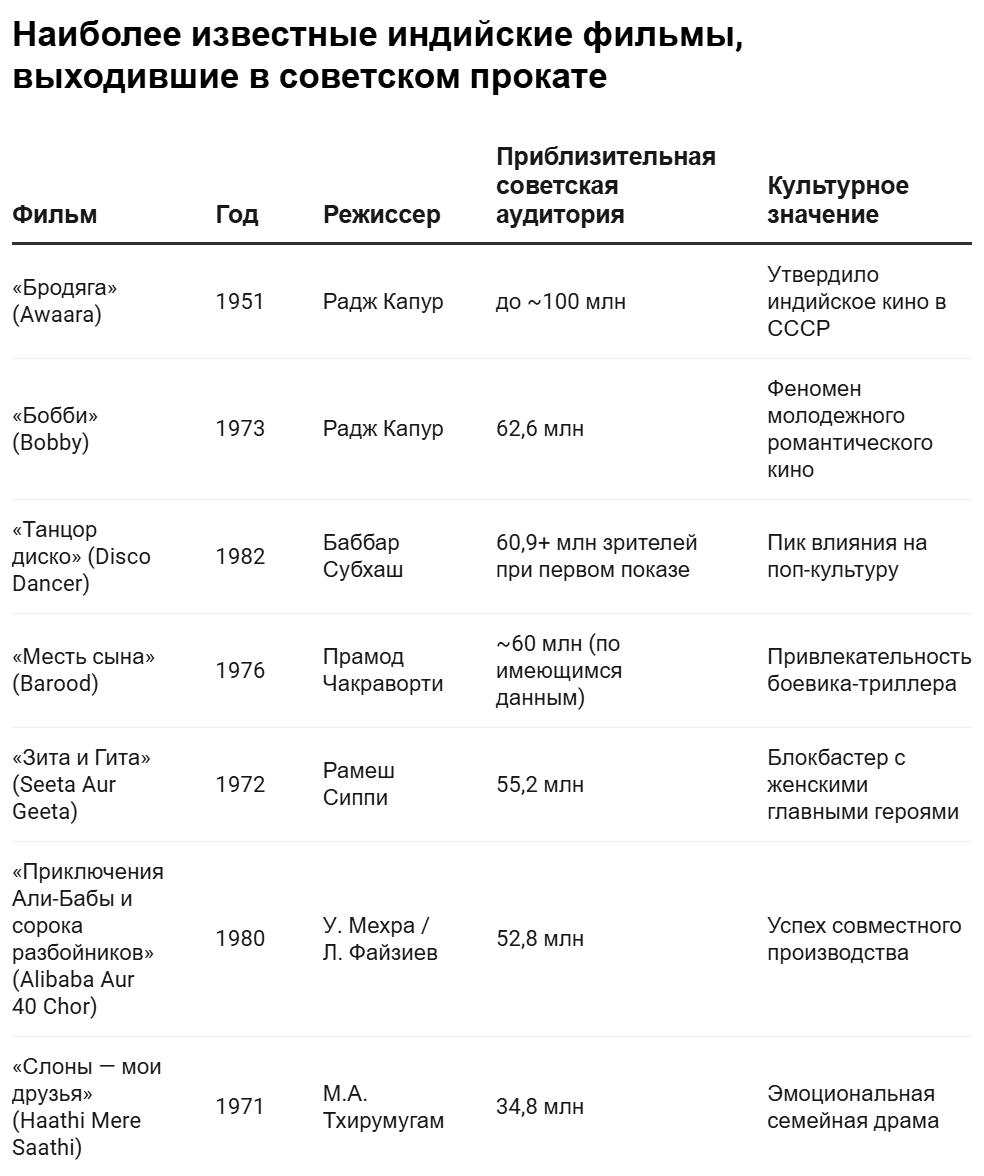
These figures demonstrate that Indian cinema in the Soviet Union was not merely a niche phenomenon but a full-fledged cultural force integrated into the mainstream.
The reasons for this success were systemic rather than accidental. Indian films consistently foregrounded themes of self-sacrifice, family loyalty, social injustice, tragic love, and moral redemption—motifs already deeply rooted in Russian literary and emotional traditions.
IV. From Distribution to Co-production: Institutional Collaboration
As Indo-Soviet cultural exchange evolved, it progressed from simple distribution to collaborative work. The era of co-production marked the institutional peak of this relationship.
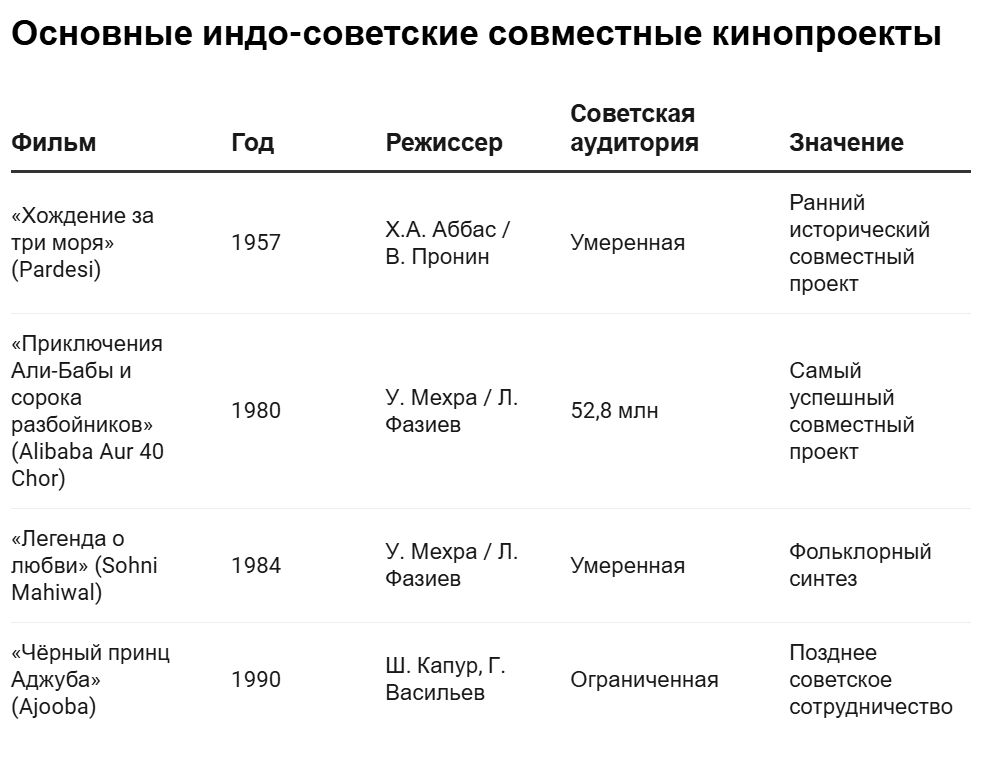
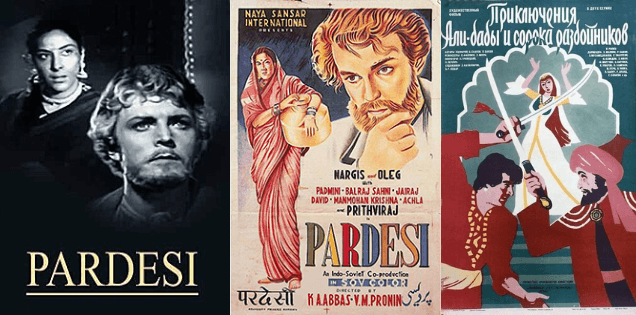
The filmPardesi(1957,"Journey Beyond Three Seas"), based on the travels of Russian merchant Afanasy Nikitin, symbolized an early attempt to construct a shared historical narrative through cinema. This model reached its commercial peak withAlibaba Aur 40 Chor(1980,"The Adventures of Ali Baba and the Forty Thieves"), which drew over 52 million viewers in the USSR. Drawing on shared folklore rather than national history, the film created a culturally neutral narrative framework in which both traditions could participate as equals.
This period represents one of the rare moments in world cinema history when two national film industries aspired not merely to exchange but to genuine co-authorship.
V. Russian Literature in Indian Cinematic Form
Parallel to the mass cinematic exchange, Russian literature continued to influence Indian artistic creation on a more intellectual level.
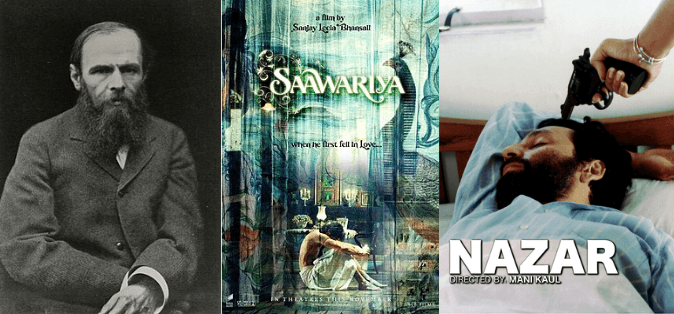
Fyodor Dostoevsky's works in particular found strong resonance with Indian filmmakers interested in psychological depth and moral ambiguity. Mani Kaul's filmNazar(1991), based on Dostoevsky's story"A Gentle Creature", explores interiority and existential tension through minimalist cinematic language. Later, Sanjay Leela Bhansali's filmSaawariya(2007,Russian: "Beloved"), inspired by"White Nights", transposed similar themes into stylized visual melodrama.
These adaptations demonstrate that Russian literature didn't remain locked on the page. It entered Indian cinematic thought as a conceptual foundation for exploring loneliness, guilt, longing, and moral uncertainty.
VI. The 1980s Transition: "Disco Dancer" and Cultural Reorientation
If Raj Kapoor embodied the era of moral-social identification, Mithun Chakraborty represents the era of emotional spectacle.
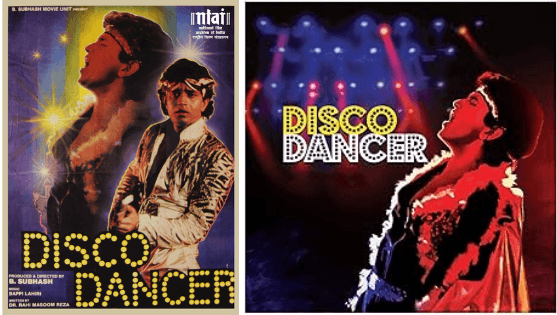
The filmDisco Dancer(1982, Russian:"Disco Dancer") became one of the most successful Indian films in Soviet box office history, drawing over 60 million viewers in its initial run alone, with cumulative estimates often rising significantly higher.
Its significance extends beyond the numbers. Unlike"The Tramp","Disco Dancer"was not rooted in social realism. It foregrounded aspiration, rhythm, glamour, and performance. For many Soviet youth, it represented not a reflection of their world but a vision of another possible world.
The popularity of the songJimmy Jimmy Aaja Aaja—still recognizable in Russia today—demonstrates that Indian cinema had journeyed from ideological compatibility to emotional and pop-cultural embeddedness.
VII. The Post-1991 Rupture: Institutional Collapse
The collapse of the Soviet Union in 1991 destroyed the institutional structures that had sustained Indo-Russian cultural exchange. The collapse of centralized distribution systems, including Sovexportfilm, transformed the Russian media landscape virtually overnight.
Hollywood films quickly filled the liberated space. The visibility of Indian cinema in Russia contracted sharply in the 1990s—it survived primarily as an object of nostalgia for older generations of viewers who grew up with Raj Kapoor and Mithun Chakraborty. Yet the emotional memory remained alive.
VIII. Digital Reconfiguration (2000–2026): From State to Algorithm
The twenty-first century marked the beginning of a new phase in Indo-Russian cultural exchange, now defined not by states but by digital platforms. Films likeBaahubali: The Beginning(2015, Russian:"Baahubali: The Beginning"),RRR(2022, Russian:"RRR: Revolution Roars Nearby") andPathaan(2023, Russian:"Pathaan: Battle with Death") find Russian audiences through streaming platforms, online fan communities, short-form videos, and algorithmic recommendation systems.
This represents a structural transformation. Indo-Russian cultural relations have shifted from centralized state mediation to decentralized digital 'discovery.' Yet while the mechanism has changed, the underlying logic remains strikingly familiar: Russian audiences continue to respond to the emotional maximalism, moral clarity, and epic scale of Indian cinema.
IX. Conclusion: A Shared Cultural Logic
Indo-Russian cultural ties endure not because they rest solely on politics or nostalgia. They persist through a shared cultural logic: both societies value emotional depth, moral seriousness, and a sense of collective belonging.
From Tolstoy's influence on Gandhi to Raj Kapoor's Soviet superstardom, from collaborative folklore epics to the digital rediscovery of Indian blockbusters—this connection has repeatedly adapted without losing its internal coherence.
Its history demonstrates that the deepest cultural exchanges are not those imposed by markets or states, but those grounded in mutual understanding. That is why, after more than a century of transformations, the Indo-Russian mirror has not shattered.
It still reflects.