This text is an automatic translation from Русский. It was generated by AI and may contain inaccuracies.
Read original →Talent Needs the Right Environment
Moscow hosted the TechnoScience Educational Forum with BRICS countries participating. We review the outcomes and explore how to connect education, employers, and technology projects into a unified talent system.

A Reason to Stay
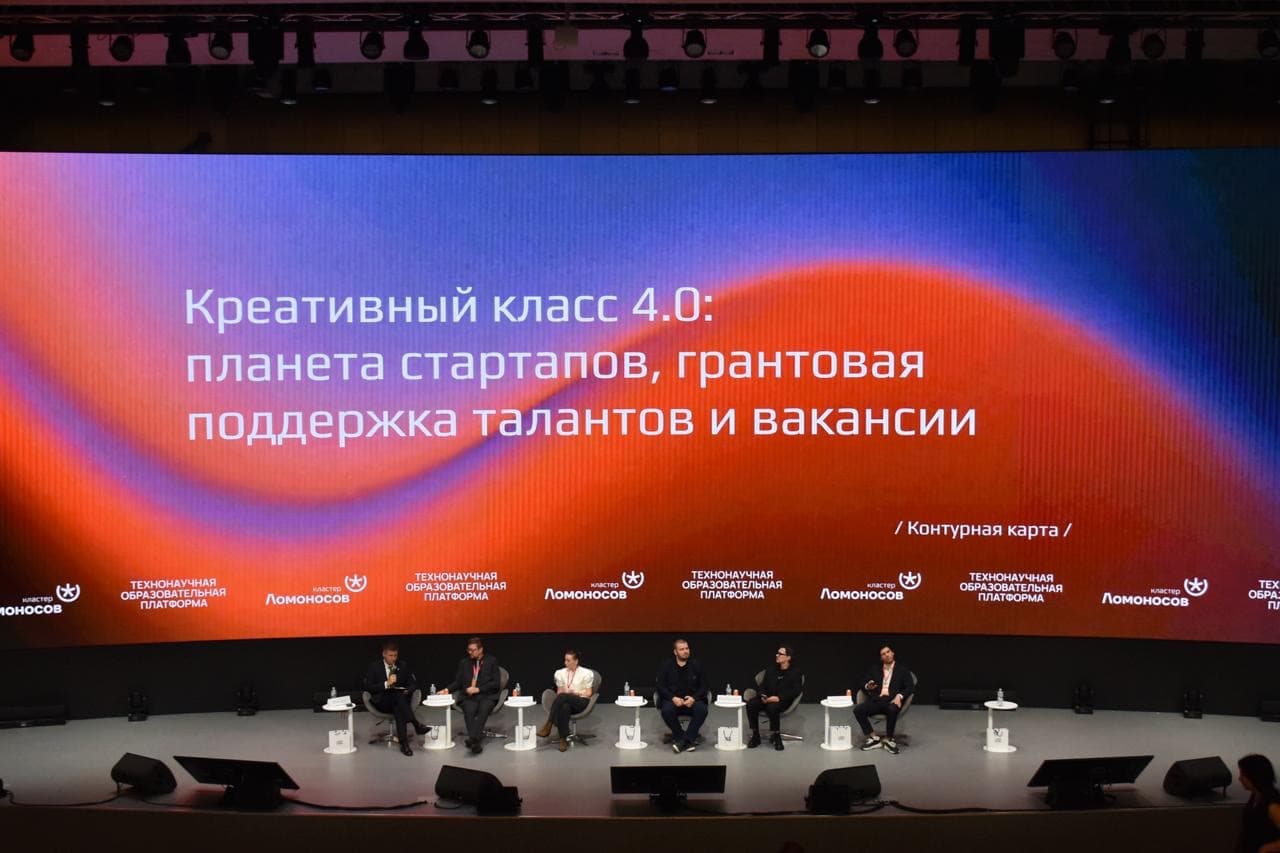
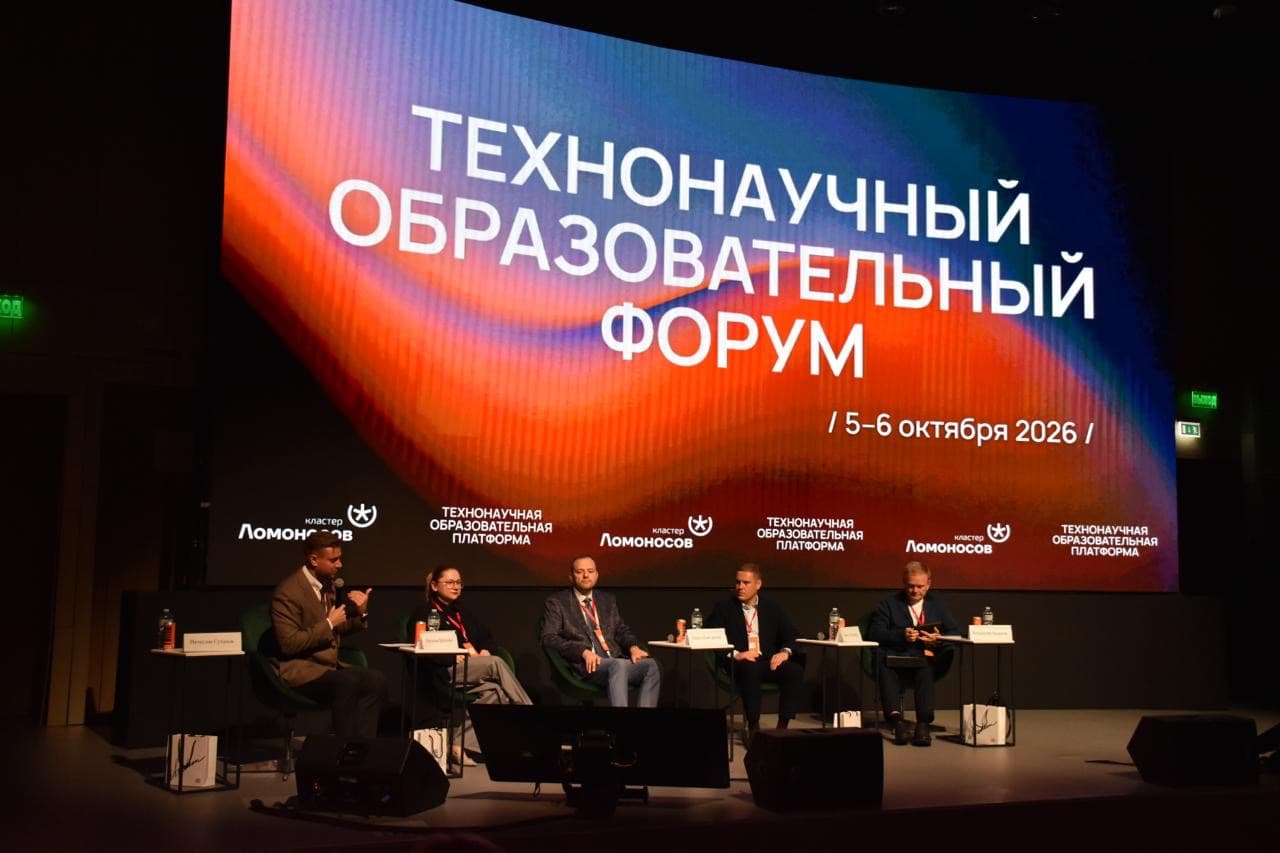
The TechnoScientific Educational Forum with BRICS countries participation took place at Moscow's Lomonosov cluster on October 5–6. It brought together more than 3,000 participants from 10 countries. Attendees discussed scientific, technological, and educational cooperation among BRICS nations, workforce development, and joint project initiatives.
At the plenary session "Pulse of 10 Powers: Growth Drivers of BRICS Countries," Nathan Brown, Director-Strategist for Africa and the Middle East at Saturn Five Consulting, spoke about the need to create clear prospects for young people.
"We need to give young people a compelling reason to want to stay and develop," he noted.
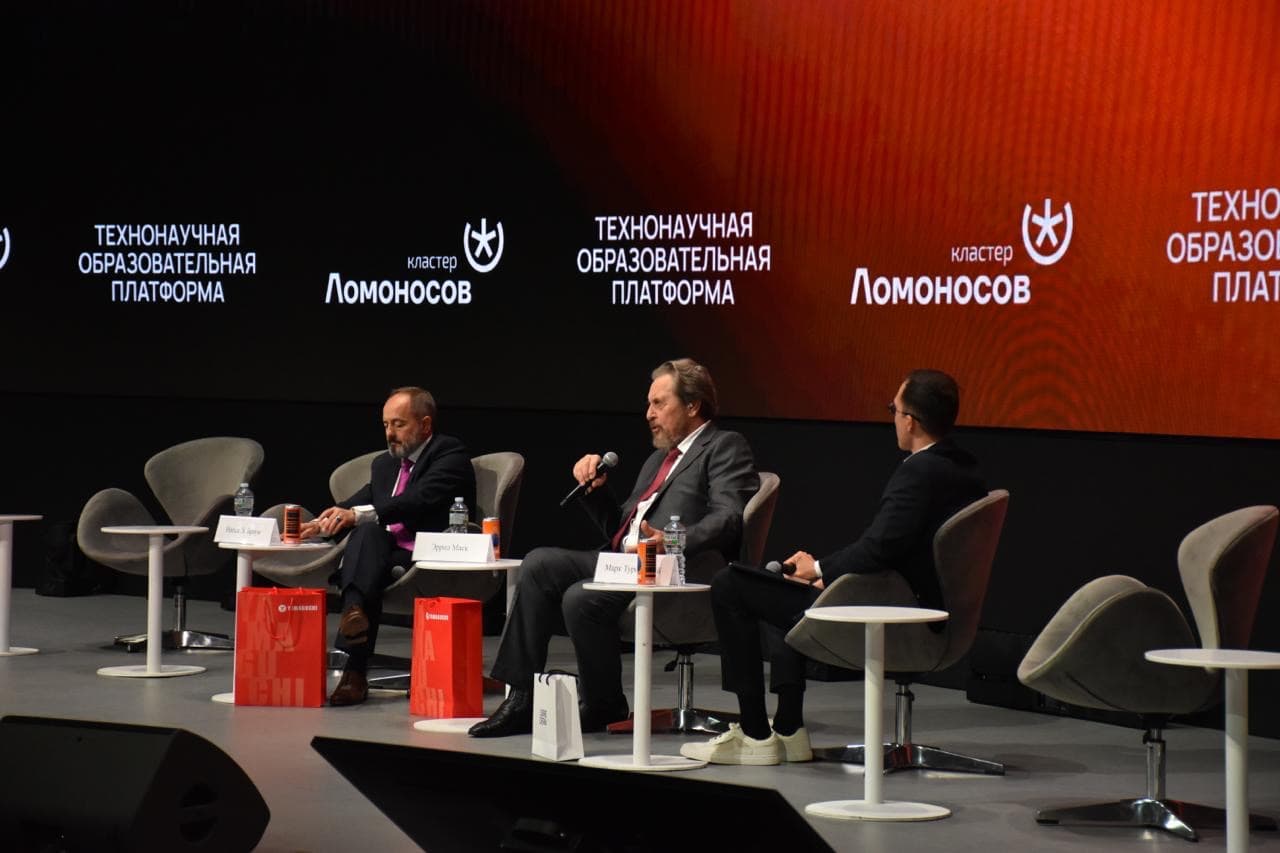
Forum participants examined what exactly could serve as such a reason, focusing specifically on universities, enterprises, and technology clusters. The discussion covered access to modern equipment, opportunities to participate in real projects, contact with employers, and the environment beyond the workplace.
Specialists Need Projects
Participants identified one problem as the gap between workforce training and what happens after graduation. A university can provide a profession, but young specialists need to understand where they can apply their knowledge and how they will develop further.
Sessions on technology clusters and regional education linked this challenge to closer collaboration between educational institutions and enterprises. According to participants, it's better to introduce students to production while they're still studying. Outreach to schoolchildren, scholarships, and enterprise visits allow potential career paths to be demonstrated in advance.
Technology clusters play a special role. They can connect educational organizations, companies, and young teams so that projects have the opportunity to progress from idea to practical application. Pavel Novitsky, General Director of JSC MC "ISTC Aerospace Innovation Valley," noted:
"The most important thing isn't just grants and subsidies, but the ability to build cooperation chains and see the company's development horizon."
This approach also applies to working professionals. According to Vladislav Khalamov, access to modern technologies can be one of the factors keeping people in their regions: