This text is an automatic translation from Русский. It was generated by AI and may contain inaccuracies.
Read original →Producer Subsidies Cost 14–22 Times More Than Targeted Assistance
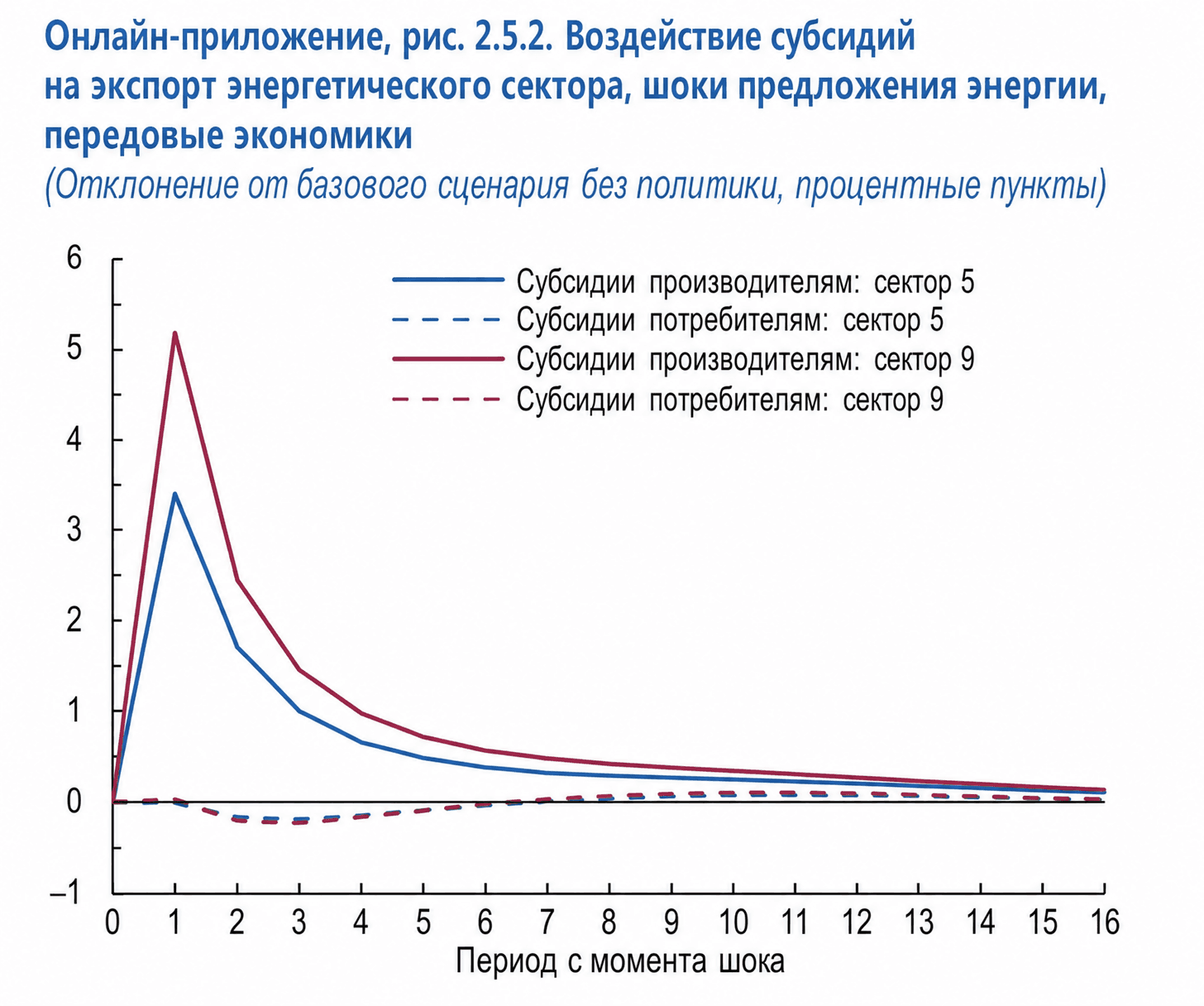
We examine why price spikes for basic goods hit the poorest families hardest, what different inflation-control measures cost governments, and why some subsidy funds intended for producers end up going to foreign buyers.

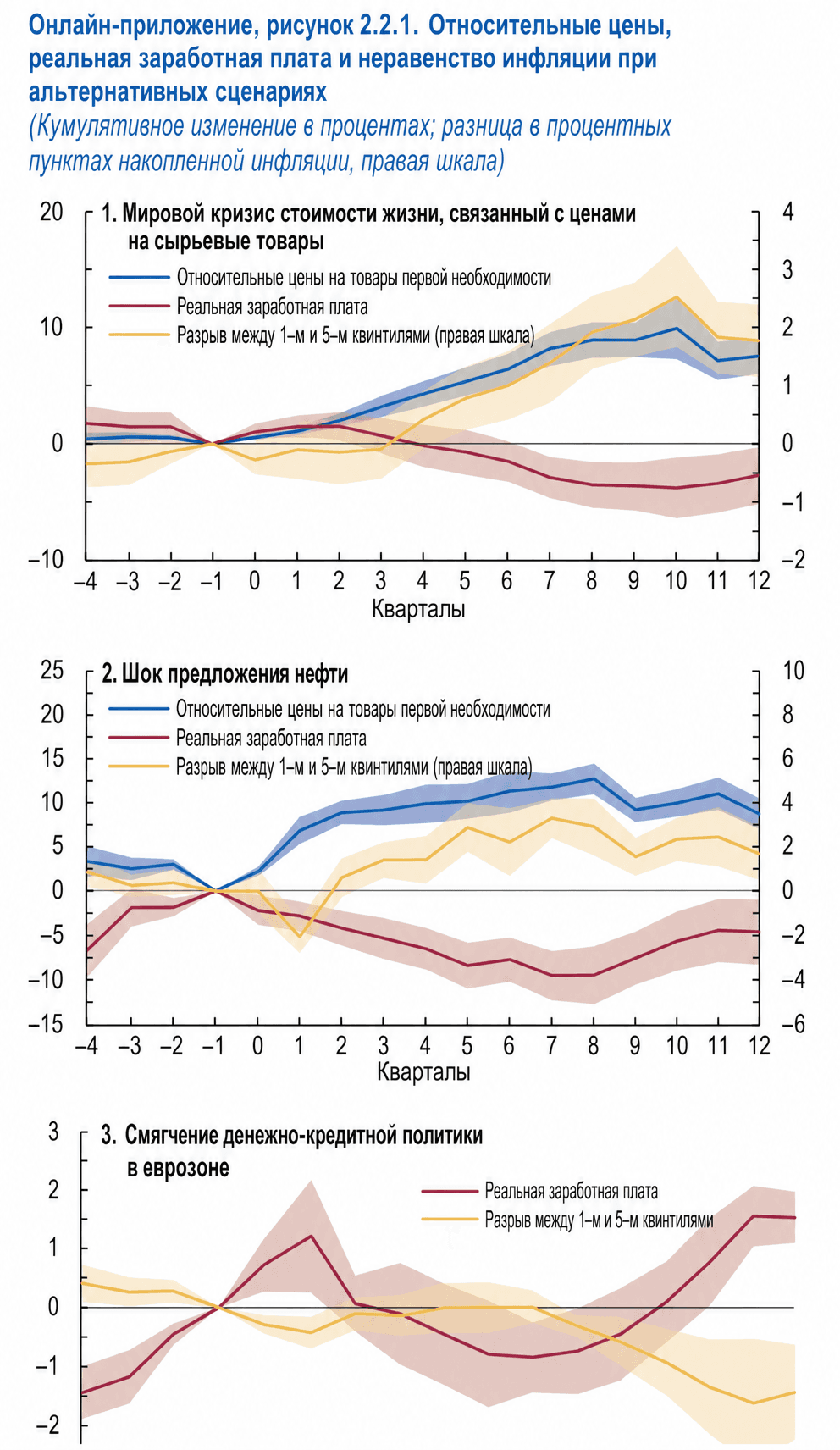
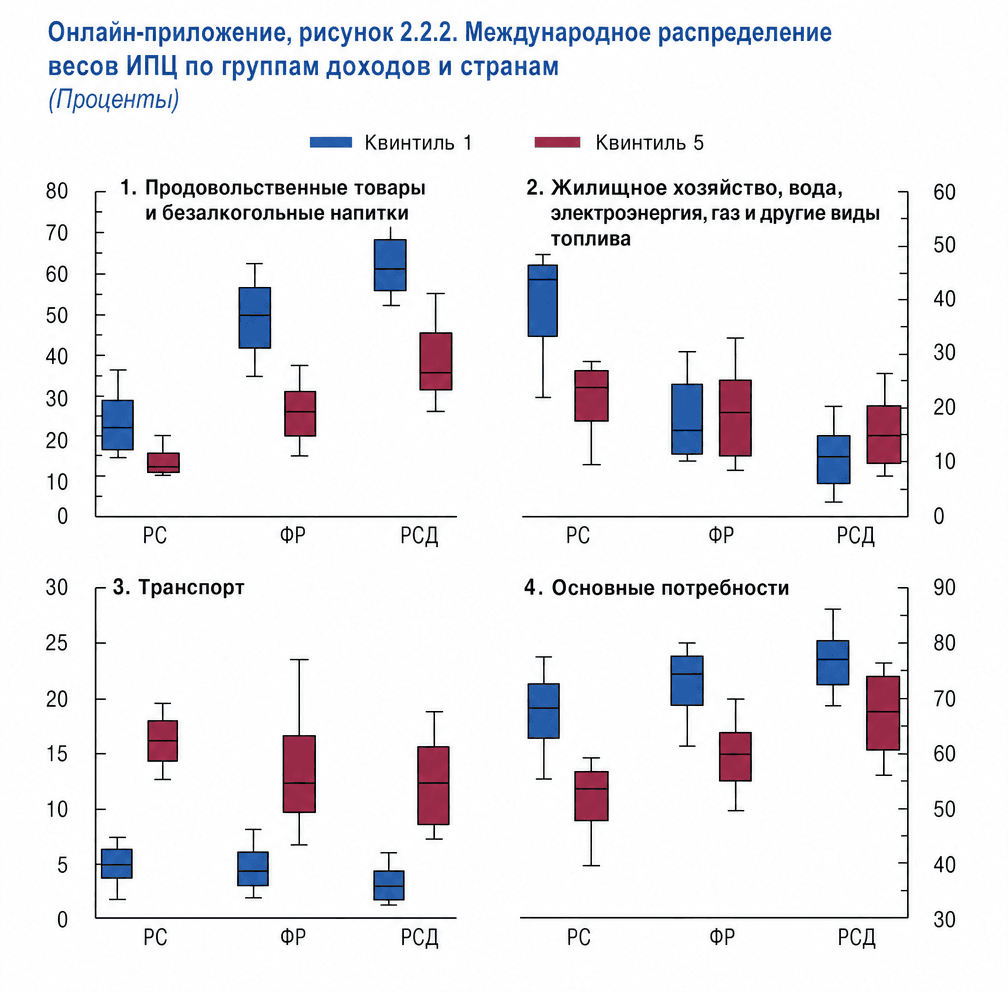
The International Monetary Fund (IMF) has published methodological appendices to the second chapter of its October World Economic Outlook—on cost-of-living crises. They show that spikes in food, housing, and transportation prices hit real wages with a lag of roughly one year, strike hardest at poor households, and that the most popular government response—price controls—turns out to be the most expensive.
Wages don't fall immediately, but a year later
The IMF defines a cost-of-living crisis narrowly: food, housing with utilities, and transportation become abnormally expensive, while other prices and wages fail to keep pace. The threshold is calculated separately for each country, at two standard deviations from its own norm. This means countries with chronically high inflation don't make it into the sample.
Different parts of the study use different samples. The IMF searched for episodes themselves across 85 countries with quarterly data on both prices and wages for 2005–2025. Welfare losses are calculated only for 18 European countries, while the subsidy model is calibrated on three representative economies: advanced economies are represented by France, Germany, and Italy; emerging markets by Mexico, Peru, the Philippines, Poland, and South Africa; and low-income countries by Kenya, Liberia, Madagascar, Sierra Leone, and Zambia.
Russia is on the list. It's included in the overall sample for crisis analysis and in the database of support measures, but didn't make it into either the European welfare calculations or the model. The specifics are that Russia is a net energy exporter. The IMF separately compares energy importers and exporters, but doesn't disclose results for exporters in the appendices. For an exporter, expensive oil simultaneously drives up domestic prices and fills the budget—meaning money for support appears alongside the shock itself.
The mechanics are clearest in oil price increases. If crude prices jump 150%, the relative cost of basic goods rises 9% over two quarters, and 13% by the end of the second year. Real wages react with a delay: the trough—a 9.5% drop from pre-crisis levels—comes in quarters seven and eight, and even after three years they remain 4.5% below pre-crisis levels.