This text is an automatic translation from Русский. It was generated by AI and may contain inaccuracies.
Read original →How Inflation Is Reshaping Shopping Baskets and Online Habits
An analysis of inflation's impact on consumer behavior: the rising popularity of private labels and discount retailers, the growth of the 'anti-retail' model, the e-commerce boom, and declining average transaction values on marketplaces.
To Save or to Spend
Rising prices for goods, including essentials, have made shoppers more price-sensitive. Over the past year, hard discounters have grown in popularity: on average, Russians visit them 4-5 times a month. Meanwhile, the share of retailers' private label brands in the consumer market continues to grow steadily—for the first time surpassing the 15% mark. As a reminder, private label products typically cost less than comparable name-brand items. Recognizing this trend, retail chains are adapting to shopper preferences by expanding their private label offerings and improving product quality.
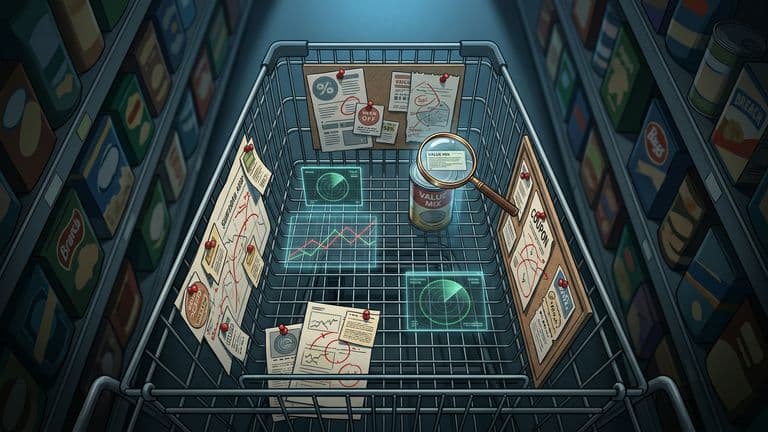
The editors of the Telegram channel "ANTIRITEIL" argue that today's consumer has become hyper-rational. An "anti-retail" model has emerged—a strategy of consciously resisting traditional retail tactics by downshifting to private labels and relentlessly hunting for discounts, promotions, and cashback. "A new type of shopper has emerged who doesn't just look for discounts but actively plays against the rules imposed by retailers, using digital tools to maintain total control over their budget," the editors note. However, this strategy has distinct regional characteristics: from sophisticated "conscious optimization" in Moscow, where "anti-retail" aims to maximize value for money, to forced "basic consumption" in smaller cities, where it manifests as a boycott of all non-essential spending. Thus, according to the ANTIRITEIL editors, inflation hasn't leveled but has actually intensified regional inequality.
Artem Nikandrov, author of the Telegram channel "BAZAR TUT RAZVELI," emphasizes that changes in Russian spending patterns aren't driven by inflation alone. The expert identifies two contradictory trends in the consumer market. The first is a shift toward a savings model—people are cutting back on entertainment and non-food items, leading to declining foot traffic in shopping malls and restaurants. Food retail, however, remains immune to this effect: on the contrary, household spending on food has held steady at around 30% of total expenditures for the past 20 years.
A Brave New World of Online Shopping
The second trend identified by Artem Nikandrov is spending "for the endorphins." If major purchases are out of reach at current rates, there's no need to scrimp so much—people can treat themselves more often with small purchases and live for today. For instance, splurging on exotic fruits out of season in Russia, seafood, or trinkets from marketplaces. As Artem Nikandrov emphasizes, grocery retail and e-commerce are thriving in these conditions.
Indeed, the e-commerce market, despite a series of crises and challenges in recent years, has demonstrated impressive growth: from 2019 to 2024, its volume increased from 1.7 trillion rubles to 12.6 trillion rubles—more than a sevenfold rise. And even amid a global slowdown in online retail growth, in the first half of 2025 the share of internet purchases in total transactions reached 22.4%, up 6.8 percentage points from a year earlier. However, average transaction values reflect shifting consumer sentiment: in 2025, the average check is expected to be around 1,300 rubles, down 8.4% from last year. This suggests that Russians are increasingly using marketplaces not for major purchases, but as a convenient channel for buying inexpensive everyday items—a way to maintain their accustomed consumption levels and reduce stress amid price pressures.
What's Next?
Recent inflation data offers grounds for optimism: Russia has recorded deflation for five consecutive weeks, and annual inflation has dropped below 8.5% for the first time in a year. Currently, overall price levels are being significantly influenced by seasonally cheaper vegetables and fruits, but autumn will put things in perspective and allow for a more objective assessment of the Central Bank's success in fighting inflation.
Andrey Nikandrov notes that even with falling prices, major shifts in consumption patterns shouldn't be expected. The share of food in household spending will remain high, people will buy prepared meals even more frequently, and treat themselves to something expensive. Against this backdrop, the expert believes, e-commerce's share will continue growing, as will the quick delivery segment (impulse purchases), which will inevitably influence shopping habits.
The editors of the Telegram channel "ANTIRITEIL" agree: lower prices won't eliminate new habits, but will "unfreeze" spending. And to win back loyalty, retailers won't need to cut prices, but rather adapt to the rules of "anti-retail" by offering hyper-personalized and transparent terms. As a result, residents of Moscow and major cities will more quickly reallocate their budgets toward the experience economy and high-quality goods, but strictly on their own terms. The regions, meanwhile, will show very restrained dynamics, where any spending beyond basic needs will be carefully weighed.
Meanwhile, the population itself is less optimistic. According to data from survey According to the Central Bank, perceived inflation in August reached 16.1% (up 1.1 percentage points over the month)—twice the official figures. Households without the ability to save from current income are especially sensitive: for them, this indicator jumped from 16% to 17.4%. So it's often not so much actual price growth that influences inflation perception, but rather specific product categories that are getting more expensive at the moment. Right now, that category is utilities: nationwide, tariff increases averaged 11.9%. And for those groups that can't afford a wide range of discretionary spending, this kind of price growth shapes their overall perception of the economic situation.