This text is an automatic translation from Русский. It was generated by AI and may contain inaccuracies.
Read original →Metal Rolling: Transformation, Challenges and Prospects
How Russian metallurgy is adapting to new challenges: Industry 4.0 boosts margins by 25%, exports pivot to Asia, and green technologies become a competitive advantage. An analysis of the industry's transformation.
Digital Transformation and Automation
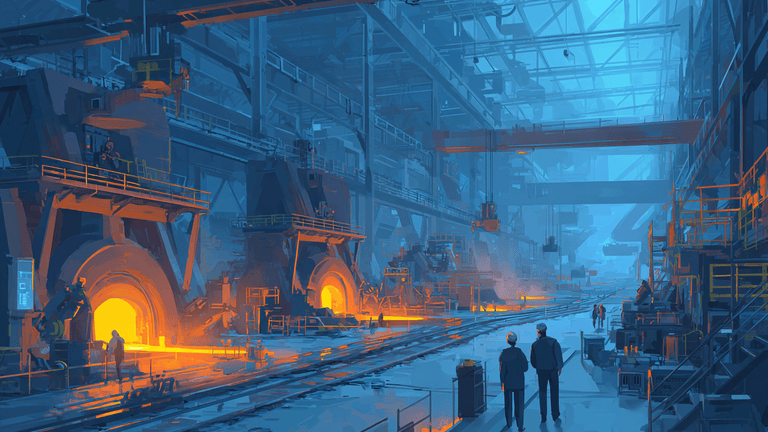
Modern trends in rolled metal production are unthinkable without deep digitalization and process automation. Amid market volatility, supply chain instability, and rising quality requirements, enterprises are shifting from linear production models to adaptive digital platforms. This enables them to reduce waste, improve business outcome predictability, and respond more quickly to demand fluctuations.
According to McKinsey, implementing Industry 4.0 in metallurgy can boost margins by 20–25%. Warehouse automation, quality control systems, logistics, and predictive maintenance are becoming standard at leading facilities. For instance, the Cherepovets Steel Mill has deployed an intelligent energy resource distribution system that saves up to 15% of electricity annually.
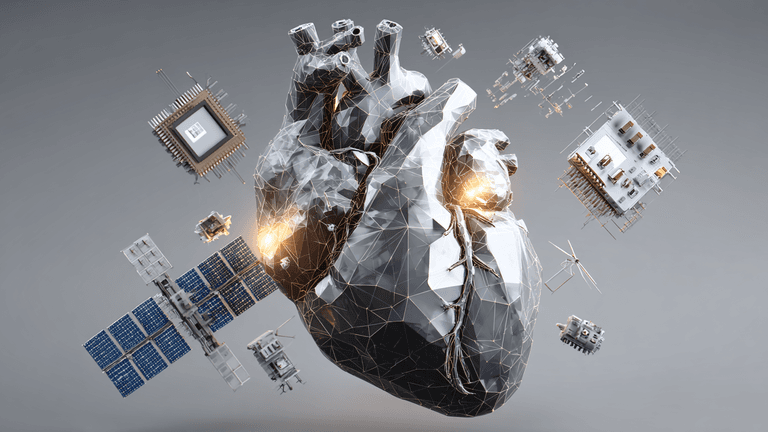
At the same time, digital twin technology is advancing: precise digital models of rolling mills, blast furnaces, and entire production complexes. These solutions help predict equipment failures, optimize technical processes, and train personnel in a safe digital environment.
Workforce Training and Labor Resource Transformation
Digitalization demands a new generation of specialists. According to VNII truda, by 2030 up to 30% of metallurgy professions will be transformed. Specialists in AI, digital logistics, industrial ecology, and data analysis are becoming increasingly sought after.
Recognizing workforce risks, companies are launching corporate universities, internship programs, and retraining initiatives. NLMK's Digital Technology Academy is a prime example of systematic specialist training aligned with digital production needs. These measures not only boost productivity but also strengthen the resilience of single-industry towns where metallurgy is often the backbone of the local economy.
Strategic Importance and Role in Sovereign Industries
Rolled metal products are indispensable in the defense, nuclear, transportation, and energy sectors. The production of high-strength steel, reactor vessels, and armor plating demands rigorous technological discipline and supply chain predictability. Under conditions of external political pressure, state policy has pivoted toward localization: as early as 2022, a program was approved to replace up to 95% of key components in the defense industry through Russian metallurgical enterprises.
Exports and New Partnership Geographies
Despite sanctions, Russian metallurgy continues to actively participate in international trade. According to the Russian Export Center, in 2023 the largest export volumes were directed to China, India, the UAE, Egypt, and Turkey. The pivot toward eastern and southern markets has been accompanied by the development of logistics routes, modernization of the Trans-Siberian Railway, and the formation of port infrastructure in the Far East.
Additionally, enterprises are participating in international consortia and investing in overseas processing facilities, expanding their role in global value chains.
Sustainability and "Green" Metallurgy
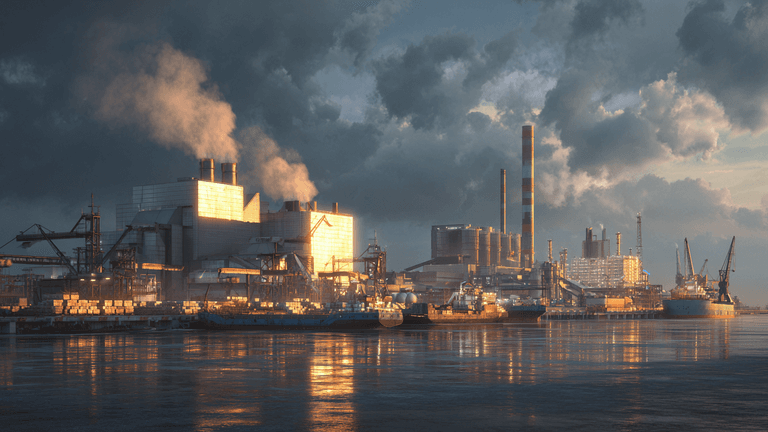
In the context of the global climate crisis, metallurgy has become the subject of serious attention from regulators. According to the World Bank, the industry accounts for up to 11% of global CO₂ emissions. The response to this challenge is the transition to "green" steel—products manufactured with a minimal carbon footprint and using renewable energy sources.
Global companies such as SSAB and Tata Steel are already investing billions in carbon-free technologies. In Russia, similar initiatives are being implemented by the largest holdings: the introduction of hydrogen technologies, scrap metal recycling, and blast furnace modernization. The creation of a national "green metallurgy" standard could become the foundation for exporting sustainable products to sensitive markets in Europe and Asia.
ESG and Reputational Sustainability
The success of metallurgical companies today depends not only on production costs but also on their ability to meet ESG standards—environmental, social, and governance. According to estimates by PwC, more than 75% of investors factor ESG considerations into their decision-making.
Russian enterprises are actively developing sustainable corporate governance practices: publishing non-financial reports, creating occupational health and safety programs, and investing in social infrastructure development in their regions of operation. This not only builds partner trust but also reduces long-term risks.
Innovation and Science
The industry's future is impossible without innovation. This encompasses not just 3D printing and digital twins, but also the development of new steel grades adapted to extreme operating conditions, the introduction of biotechnology in wastewater treatment, and the use of big data in demand forecasting and maintenance. Joint projects with universities, technology platforms, and research centers are becoming key drivers of technological sovereignty.
Russia's metal rolling industry today finds itself at the epicenter of transformation. It faces challenges of unprecedented scale—climatic, technological, logistical, and workforce-related. But it's precisely within these challenges that the potential for new growth lies. Flexibility, innovation, readiness for partnership, and commitment to sustainable development—these are the qualities that will define the future of Russian metal on the global stage.
If this strategy is implemented systematically, metallurgy can become not only a flagship of domestic industry but also one of the key players in the global economy of a sustainable future.