This text is an automatic translation from Русский. It was generated by AI and may contain inaccuracies.
Read original →Capacity on Paper, But Not in Practice
An analysis of the state of Russia's power sector: critical equipment deterioration, hidden problems behind the surplus balance, import dependence, and modernization plans through 2035. Why nominal capacity reserves don't guarantee energy security.
The Surplus Zeros
In 2010, according to the report on the functioning of Russia's Unified Energy System, the installed capacity of power plants stood at 214,869 MW. Even on the peak consumption day (January 26, 2010), the load didn't exceed 151,271 MW. The reserve margin was around 30%—electricity was in surplus.
However, this surplus was primarily explained by weak demand and the legacy of Soviet-era energy infrastructure. Between 1991 and 2010, only 32.153 GW of new capacity was commissioned—just 15% of the total fleet. The rest consisted of Soviet-built plants. And in the following decade, Russia's energy sector would face the challenges of aging infrastructure.
The Transitional 2010s
Authorities understood that Soviet equipment wasn't eternal. 2010 became the inflection point when this "legacy" transformed from a competitive advantage (cheap, fully depreciated capacity) into systemic risk. That's why the Capacity Supply Agreements (DPM) program was launched for a ten-year term. Its goal: to stimulate investment in equipment modernization.
The result: between 2010 and 2020, the installed capacity of Russia's Unified Energy System increased by 16.29%, while consumption grew more modestly—by 7.12%. Formally, a step forward. In reality—a partial upgrade, but with a new time bomb planted: a significant portion of the new equipment was imported. After the 2014 sanctions, and especially those of 2022, replacing or repairing such equipment became a matter of logistics and geopolitics. Meanwhile, the "Soviet legacy" kept spinning—both literally and figuratively.
Now About the Present
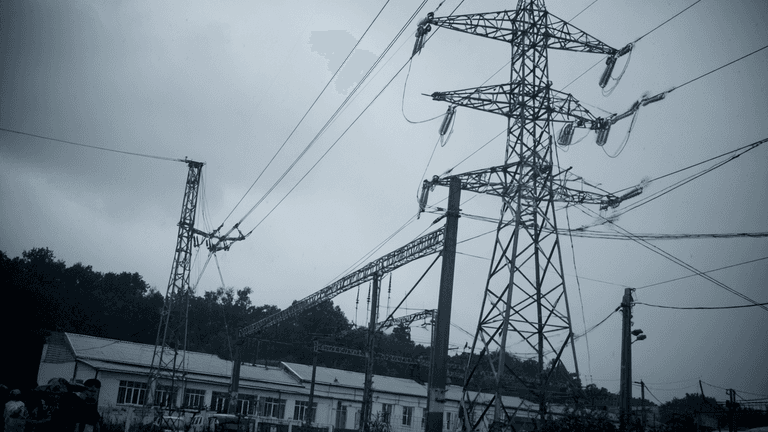
Russia entered the third decade of the 21st century with a critical problem: power plant deterioration. According to Rosstat, the depreciation rate of fixed assets in 2023 exceeded 51.5%. In other words, over the next decade, half of the generating equipment will need to be replaced or undergo major overhaul.